How Long Does Berberine Take to Work?
Quick Answer: How Long Does Berberine Take to Work?
How long does berberine take to work? Fasting glucose often begins shifting within about two to four weeks, but A1c typically needs eight to twelve weeks, because A1c reflects roughly the previous three months. Berberine is a steady daily habit, and taking it consistently makes the biggest difference.
- Fasting glucose: small downward shifts are possible within 2–4 weeks.
- A1c: a meaningful change usually takes 8–12 weeks, because it lags about three months.
- Biggest lever: taking it consistently, with meals, alongside diet and activity.

How long does berberine take to work? The honest timeline
If you have just started taking berberine and you are already refreshing your glucose meter every morning hoping for a different number, this is the most useful thing to understand up front: how long does berberine take to work is a question with two answers, because there are two clocks running at the same time. One is fast and noisy. The other is slow and meaningful. Confusing the two is the single biggest reason people abandon a supplement that was quietly on its way to doing something for them.
The fast clock is fasting glucose — the single reading you take before eating in the morning. It can nudge downward within the first two to four weeks of consistent daily berberine, and some people notice steadier energy or fewer sharp post-meal crashes even sooner. But that reading is jumpy. Sleep, stress, illness, the previous night's dinner and even the time you woke up all move it, so a good day and a bad day can look like a supplement working and then failing, when in reality it is just the ordinary weather of a noisy measurement.
The slow clock is A1c, and it is the one that actually tells you whether anything durable is happening. A1c is a blood test that estimates your average glucose over roughly the previous two to three months, because it measures how much sugar has attached to your red blood cells across their lifespan. That biology sets a hard floor on the timeline: no intervention, berberine included, can meaningfully change an average of the last ninety days in a fortnight. This is why the clinical trials that report a benefit almost always run for at least eight to twelve weeks, and why any honest answer to when berberine will work is measured in months, not days.
What the trials actually show over 8 to 12 weeks
Berberine has the most substantial body of randomised evidence of any ingredient in the blood-sugar supplement category, which is exactly why it is worth setting expectations correctly rather than overselling it. Across multiple controlled trials and pooled analyses, daily berberine has been reported to reduce fasting glucose and A1c in people with type 2 diabetes or metabolic issues, with effects that build over the study period rather than appearing in the first week. As a rough sense of scale, some trials describe fasting-glucose reductions in the region of fifteen to twenty-five percent over eight to twelve weeks — a genuine, measurable shift, but a gradual one, and one measured alongside diet and lifestyle rather than instead of them.
Two honest caveats belong right next to those numbers. First, most of these trials studied people with elevated glucose to begin with; a healthy adult with normal readings has far less room to move and should expect far less dramatic change. Second, trial participants used specific, usually gram-scale daily doses split across meals, which is a very different thing from a pinch of berberine tucked inside a twenty-ingredient blend. When we walked through this gap in our review of what the clinical trials actually show for blood sugar supplements, the recurring theme was the same: the ingredient having evidence and your bottle having a useful amount of it are two separate claims.
So the realistic picture is this. Give berberine a fair eight-to-twelve-week run at a sensible dose and you may see fasting glucose trend down within the first month and a modest A1c improvement by the time you retest. What you will not see, if anyone is being straight with you, is a supplement that behaves like an injected medication with same-day effects. That distinction is not a disappointment; it is the correct expectation, and it is what keeps people consistent long enough to find out whether it helps them.
Consistency beats intensity every time
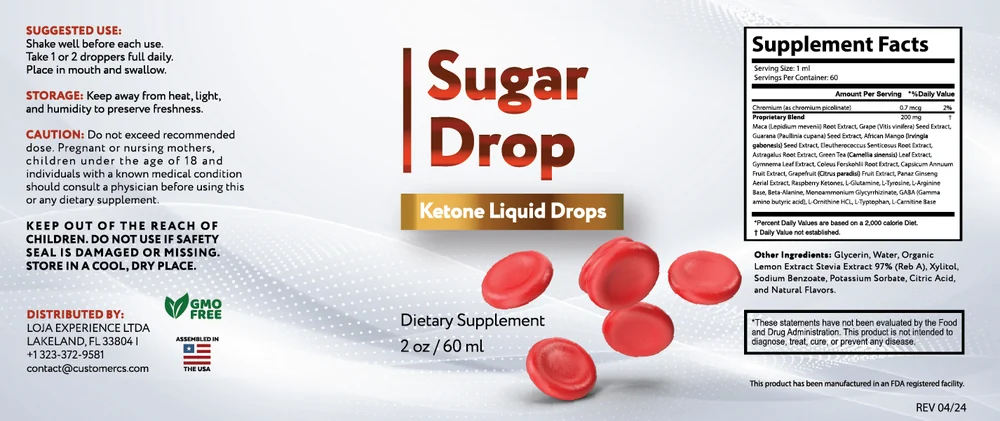
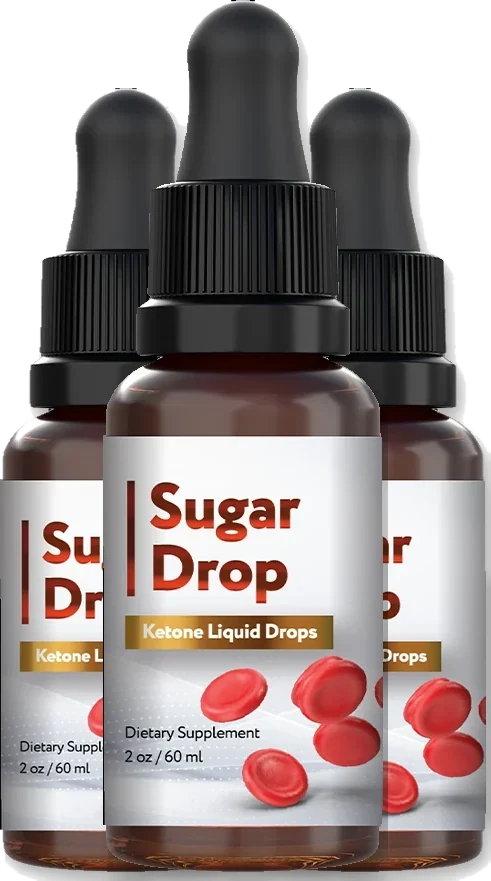
A blood-sugar routine only pays off if you actually stay on it for the full window. Sugar Drop is a once-daily liquid built to make that easy — and its full Supplement Facts panel is published, not summarised.
See the Official Sugar Drop OfferTwo markers, two clocks: fasting glucose versus A1c
Because so much frustration comes from watching the wrong number, it is worth being precise about what each measurement can and cannot tell you during a berberine trial. Think of them as two instruments reading the same engine at different speeds.
Fasting glucose is your daily-driver gauge. It responds quickly, which makes it useful for spotting a broad trend, but its speed is also its weakness: any single reading is heavily influenced by yesterday, so you should never draw a conclusion from one morning. If you monitor at home, the honest way to read it is as a rolling average — jot down the number each day and look at the shape of the line across three or four weeks, not the dot on any given day. A gentle downward drift is the signal; the daily wobble is the noise.
A1c is your long-exposure photograph. It cannot flinch at a single bad dinner, which is precisely why it is the marker your clinician trusts and the one worth waiting for. The catch is that it is slow to develop in both directions: it will not reward you quickly, and it will not punish you for one indulgent weekend either. If your goal is to know whether berberine did anything durable, an A1c test before you start and another after ten to twelve weeks is the cleanest before-and-after you can run, far more reliable than any single glucose reading you will take along the way.
Why isn't my berberine working yet? Three honest reasons
If you are three weeks in and staring at a stubborn meter, resist the urge to conclude that berberine is useless. In almost every case the explanation is one of three fixable things, and none of them means the ingredient failed.
It has not been long enough. This is the most common trap by a wide margin. People give a supplement two or three weeks, see no A1c change, and quit — but A1c physically cannot have moved in that window, so they never gave it the chance to work. If it has been less than eight weeks, you have not run the experiment yet; you have interrupted it. The whole point of understanding the timeline is to protect yourself from quitting one week before the result would have shown up.
The dose is too small. Trial-level berberine is measured in gram-scale daily amounts, usually split into two or three doses with meals. A finished multi-ingredient product often contains far less, because a single serving simply cannot physically hold research doses of twenty ingredients at once. If your berberine sits inside a small proprietary blend, judge it as a broad daily habit rather than as a compressed clinical dose — and if a specific studied amount is what you want, a single-ingredient product at a disclosed dose is the only way to get it. We break the numbers down in our guide to the right berberine dosage and when to take it.
Consistency and timing are off. Berberine has a short half-life, which is exactly why trials split it across the day and pair it with meals — taking it with food both improves tolerance and lines it up with the post-meal glucose rise it is meant to blunt. Skipped days, a single morning dose instead of a divided one, or large swings in your diet, sleep and activity can all flatten a modest effect until it looks like nothing. Tighten those variables before you write it off.
Most people who say berberine did nothing quit in week three, at a small dose, on an empty stomach. That is not a verdict on the ingredient; it is an unfinished experiment.
Common myths that make people quit too early
A few persistent beliefs quietly sabotage results, and naming them is the fastest way to sidestep them.
Myth: "If it worked, I'd feel it in a few days." Berberine is not a stimulant and not an insulin injection. Most of what it does happens at the level of glucose metabolism, silently, over weeks. Feeling nothing dramatic is the normal experience even when the numbers are slowly improving, so relying on how you feel is the least reliable gauge available.
Myth: "The early stomach upset means it's not for me." The most commonly reported berberine side effects are gastrointestinal — cramping, loose stools, constipation — and they are usually mild, dose-related, and most noticeable in the first week or two. Taking it with food and, where appropriate, easing into the dose often settles things. That said, side effects that persist or worsen are a reason to stop and reassess, not push through.
Myth: "A supplement can replace my diet or my medication." It cannot, and this is the one myth with real stakes. Berberine's trial effects were measured on top of diet and lifestyle, not as a substitute for them, and it is never a replacement for prescribed medication. Berberine can also interact with drugs metabolised by the liver, so it is precisely the kind of thing your prescriber should know about. The honest framing is additive: it stacks small, gradual help on top of the changes that do the heavy lifting — the same logic that runs through the wider chromium and gymnema evidence for this category.
Berberine timeline at a glance
| Window | What can realistically change | What to watch |
|---|---|---|
| Week 1–2 | Mild GI adjustment; possible steadier post-meal energy | Tolerance and timing, not results |
| Week 2–4 | Fasting glucose may begin a gentle downward trend | The rolling average, not single readings |
| Week 4–8 | Fasting-glucose trend more established for many | Consistency; keep diet and sleep stable |
| Week 8–12 | Meaningful A1c change becomes measurable | A before-and-after A1c test |
| Ongoing | Benefit generally persists only with continued use | Cost, tolerance and clinician input |
Where Sugar Drop fits into a realistic timeline
It is worth being clear about what Sugar Drop is and is not, because honesty is the whole point of setting expectations. Sugar Drop is a once-daily liquid botanical blend — chromium picolinate paired with a 200 mg proprietary blend of ingredients including gymnema, green tea, African mango, maca, guarana and panax ginseng — and it is positioned as an alternative to the single-ingredient chromium or berberine pills that fill this shelf, not as a high-dose berberine product. If a specific gram-scale berberine dose is your goal, a standalone berberine supplement is the honest route, and this article is here to help you run that trial properly.
What Sugar Drop does share with berberine is the timeline principle, and that is where it belongs in this conversation. Every ingredient in a daily blood-sugar formula works through nutrition and metabolism rather than a rapid drug effect, so the same eight-to-twelve-week window, the same need for daily consistency, and the same discipline of watching a rolling trend instead of a single reading all apply. The value of understanding how long berberine takes to work is that it inoculates you against the number-one failure mode in this entire category: quitting a daily routine too early to ever know whether it helped. A once-daily liquid you will actually remember to take is, in that sense, working with the biology rather than against it.
So treat any blood-sugar support the way a careful person treats berberine. Change one thing at a time. Give it the full window. Take it consistently, ideally with a meal. Keep a simple log if you already monitor. Decide your stopping rule in advance — what result would make you continue, and what would make you stop — and buy from a source with a clear refund window so an unsuccessful trial costs you time rather than money. That is the difference between guessing and actually finding out.
Medical note: this article is general information, not medical advice. Berberine can lower blood sugar and can interact with medications processed by the liver, so speak to a healthcare professional before starting it — especially if you have diabetes or prediabetes, take glucose-lowering or blood-pressure medication, or are pregnant or nursing. Never stop or reduce a prescription because you started a supplement.
Frequently asked questions
How long does berberine take to lower blood sugar?
Fasting glucose can begin shifting within about two to four weeks of consistent daily use, but the marker that matters most, your A1c, usually needs eight to twelve weeks to change meaningfully because A1c reflects roughly the previous three months. Berberine acts through metabolism rather than as a rapid drug effect, so a realistic personal trial is eight to twelve weeks of daily use alongside unchanged diet and activity.
When will I see results from a berberine supplement?
Most trials that report a benefit run for eight to twelve weeks or longer, with fasting glucose often improving earlier than A1c. If you monitor at home, look for a gradual downward trend in morning readings over several weeks rather than a single dramatic drop. A finished multi-ingredient blend usually contains far less berberine than a study dose, so give any daily formula the full window before you judge it.
Why isn't my berberine working yet?
The most common reasons are time, dose and consistency. If it has been less than eight weeks, A1c simply cannot have moved yet. If the berberine sits inside a small proprietary blend, the amount may be well below the gram-scale daily doses used in trials. And missed days, no meal-timed dosing, or big diet and sleep swings can all mask a modest effect. Rule those out before concluding it does nothing.
Do you need to take berberine forever?
No supplement is a permanent requirement, and berberine is not a cure for anything. Its effect on glucose markers appears to depend on ongoing use, so any benefit typically fades once you stop, much like the benefit of a daily habit such as walking. Whether to continue is a cost, tolerance and results decision best made with your clinician, especially if you take glucose-lowering medication.
Why does A1c take longer to change than fasting glucose?
A1c reflects roughly the previous three months, so a meaningful change usually takes eight to twelve weeks, while fasting glucose can shift sooner.
Scientific references
- NIH NCCIH — Diabetes and Dietary Supplements: What the Science Says
- PubMed — randomised trials of berberine and glycaemic control
- NIH NIDDK — The A1C Test and what it measures
- NIH Office of Dietary Supplements — Chromium: Fact Sheet for Health Professionals
- Harvard T.H. Chan School of Public Health — Carbohydrates and Blood Sugar
Related reading
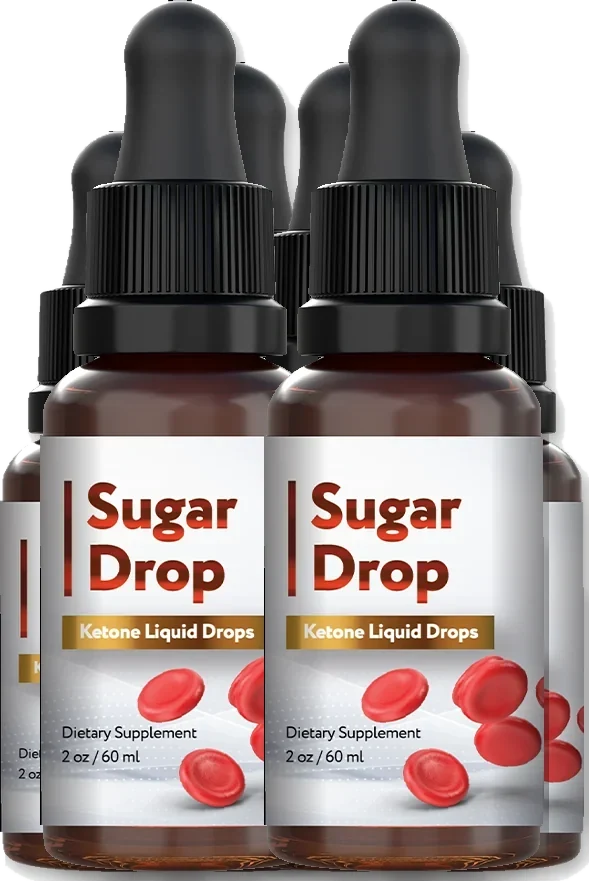
Give a blood sugar routine the full window
A once-daily liquid built for consistency, with a published Supplement Facts panel and a 60-day window from the manufacturer if it is not for you.
Check the Official Store