Berberine Dosage: How Much and When to Take It
Quick Answer: How Much Berberine Should You Take & When?
A typical berberine dosage in studies is 1,000 to 1,500 mg daily, split into two or three doses of about 500mg taken with meals. Berberine clears the body quickly, so splitting the dose works better than one large serving. Taking it with food also helps with the cramping and nausea that can otherwise put people off.
- Daily total: the clinical range is 1,000–1,500 mg, usually as 2–3 doses near 500mg each.
- Timing: take with or just before your biggest meals to blunt post-meal glucose.
- Ramp up: start with one dose a day for a week to limit GI upset — consistency beats a high total.
The short version of berberine dosing
Berberine works, when it works, largely because you took the right amount at the right time — and most people who are disappointed by it either underdosed, took it all at once, or took it on an empty stomach and quit when their gut protested. So before anything else, here is the practical shape of a sensible regimen. The clinical evidence base for berberine clusters around a total of roughly 1,000 to 1,500 mg per day. That total is almost never taken in a single hit. Instead it is divided, which is exactly why the "berberine 500mg" capsule is the format you see everywhere: it is a convenient building block that lets you assemble two or three doses a day without doing awkward arithmetic.
Two 500mg capsules gives you 1,000 mg; three gives you 1,500 mg. That is the whole logic behind the standard pill size. It exists to be split across meals, not to be swallowed together. If you remember only one thing from this guide, make it that: berberine is a divided-dose supplement, and the 500mg unit is designed for splitting.
Why the berberine 500mg dose is split, not stacked
The reason comes down to pharmacokinetics — how quickly the compound rises and falls in your system. Berberine has a relatively short half-life, meaning your body clears it fairly fast after each dose. Take your entire daily amount in one go and you get a brief spike followed by hours with very little in your system, which does nothing for the meals you eat later in the day. Split it into two or three doses and you keep a steadier presence around each meal, which is when it has a job to do.
There is a second, blunter reason to split: your gut. A single large slug of berberine is far more likely to produce cramping, loose stools or nausea than the same total amount broken into smaller servings. The digestive complaints that give berberine its reputation are strongly dose-dependent per sitting. Spread the load and you spread the risk. This is the same principle behind starting low, which we come to shortly — the gut tolerates a gradual introduction far better than a cold plunge.
The best time to take berberine
Timing is not fussy, but it is not arbitrary either. Berberine's most useful, best-documented effect is blunting the rise in blood sugar that follows a meal. It follows that the compound should be present when that meal is being digested. The practical instruction is simple: take each dose with, or just before, food — ideally your larger, more carbohydrate-heavy meals.
If you are taking three doses, that maps neatly onto breakfast, lunch and dinner. If you are taking two, pair them with your two biggest meals and skip the smallest. The goal is coverage of the moments that matter, not rigid clock-watching. One thing worth flagging: some people notice berberine is more likely to unsettle their stomach at breakfast than later in the day. If that is you, anchor your first dose to a slightly larger morning meal, or shift it to your mid-morning eating window. The right time to take berberine is the time that lands on a meal and that you will actually stick to.
Tired of scheduling three capsules a day?
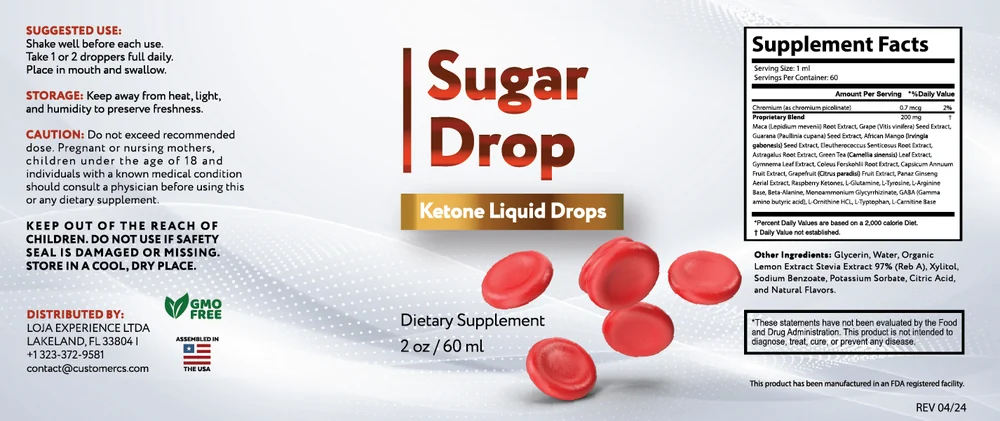
Sugar Drop is a once-daily liquid dropper — chromium plus a 200 mg botanical blend, no pill-counting. See how the format compares.
See the Official Sugar Drop OfferStart low: the ramp-up that keeps people on it
The most common self-inflicted mistake with berberine is starting at the full 1,500 mg on day one. Your digestive system has never met this compound, and the introduction can be rough — the very nausea and loose stools that make people abandon it within a week. The fix is boring and effective: ramp up. Take a single 500mg dose with your largest meal for the first three to seven days. If your gut is comfortable, add a second dose. After another few days, if you are aiming for the top of the range and tolerating it well, add the third.
This gradual approach does two things. It lets your body adapt, which genuinely reduces side effects, and it tells you where your personal ceiling is. Not everyone needs 1,500 mg; plenty of people do fine, and stay far more consistent, on 1,000 mg. Because the benefits of berberine build over weeks of steady use rather than appearing overnight, the dose you can actually sustain matters more than the dose on the label. A tolerable 1,000 mg you take every day beats a punishing 1,500 mg you quit after ten days. For a fuller picture of what to expect and when, our guide to how long berberine takes to lower blood sugar sets a realistic timeline.

Dosing at a glance
| Goal | Daily total | How to split | Timing |
|---|---|---|---|
| Getting started (week 1) | 500 mg | 1 × 500mg | With your largest meal |
| Building up (week 2+) | 1,000 mg | 2 × 500mg | Two biggest meals |
| Full clinical range | 1,000–1,500 mg | 2–3 × 500mg | Breakfast, lunch, dinner |
| Single large dose | Not advised | — | Spikes, clears, upsets the gut |
Two dosing myths worth clearing up
"If a little helps, more will help more." This is the myth that sends people past the sensible range in search of faster results. It does not work that way. Beyond the studied 1,000–1,500 mg window, you mostly add side effects rather than benefit, and you raise the odds of the digestive trouble that ends most berberine experiments. There is no prize for exceeding the dose the research actually used.
"I missed a dose, so I'll double up next time." Doubling up recreates the single-large-dose problem you were splitting to avoid — a bigger spike and a more irritated gut. If you miss a dose, take your next one as normal and carry on. Berberine's effect is cumulative and built on consistency; one missed serving is a rounding error, not a setback worth compensating for with a double.
How Sugar Drop's dosing differs from a berberine pill
It is worth being clear about what Sugar Drop is, because it does not fit the berberine dosing model described above — and it does not contain berberine. Sugar Drop is a liquid dropper formula built around chromium (as chromium picolinate) plus a 200 mg proprietary blend of botanicals and amino acids, including maca, grape seed, guarana, African mango, green tea, gymnema and panax ginseng. Its dosing is one measured dropper, once a day, rather than two or three capsules timed to meals.
That difference is really a difference in philosophy. A berberine capsule delivers a single high-dose isolated compound on a strict schedule; Sugar Drop delivers a lower-dose, broad-spectrum blend on a simple one-a-day routine. Neither is automatically "correct." If you want the specific, studied berberine dose and you will keep to the three-times-daily rhythm, buy berberine and follow the schedule above. If the schedule is exactly the thing that has defeated you before, a once-daily format removes the main reason people fall off. The honest comparison is not brand versus brand but routine versus routine — and dosing you will actually follow is the routine that stands a chance of doing anything. If you are weighing formats more broadly, our comparison of dihydroberberine versus standard berberine covers a lower-dose berberine option too.
The best berberine dose is not the biggest one you can swallow. It is the divided, with-food dose you can repeat every day without your gut staging a protest.
Safety, interactions and when to check first
Berberine is not a benign afterthought to be layered on top of everything else. It can meaningfully lower blood sugar, which is a problem if you are already taking glucose-lowering medication and could be pushed too low. It also affects the liver enzymes that process a long list of prescription drugs, which means it can change how those medicines behave in your body. Pregnancy and breastfeeding are clear reasons to avoid it. None of this makes berberine dangerous for most healthy adults at sensible doses — but all of it makes a conversation with a pharmacist or clinician the right first step if you take any regular medication.
Keep the practical guardrails in mind, too. Do not exceed the studied range in pursuit of speed. Introduce it gradually. Take it with food. And give any glucose-support supplement a realistic eight-to-twelve-week window on a steady dose before you judge it, because the changes it produces are gradual, not dramatic. Rushing the dose is the fastest way to get the side effects without the patience to see the benefit. If digestive tolerance is your sticking point, our detailed look at blood sugar supplement side effects and tolerance covers how to minimise them.
Medical note: this article is general information, not medical advice, and the doses cited reflect published research rather than a prescription. Berberine interacts with many medicines and can lower blood sugar. Speak to a healthcare professional before starting it, especially if you have diabetes, take any regular medication, or are pregnant or nursing.
Frequently asked questions
How much berberine should I take per day?
Most clinical research uses a total of about 1,000 to 1,500 mg of berberine per day, split into two or three doses of roughly 500 mg each. Starting lower — one 500 mg dose daily for the first week — helps your gut adjust and reduces the cramping or loose stools that put many people off. Do not treat the top of the range as a target; more is not automatically better, and consistency matters more than a high daily total.
When is the best time to take berberine?
Take berberine with or just before your largest meals, because its main job is blunting the rise in blood sugar that follows eating. Spacing your doses across breakfast, lunch and dinner keeps a more steady level in your system, since berberine has a short half-life and clears quickly. If you only take it twice a day, pair those doses with your two biggest or most carbohydrate-heavy meals.
Should I take berberine with food?
Yes. Taking berberine with food serves two purposes: it positions the compound to act on the glucose from that meal, and it noticeably reduces the digestive upset — nausea, cramping, loose stools — that berberine can cause on an empty stomach. A meal containing some fat and fibre tends to be gentler still. Taking it with food is the single easiest change to improve tolerability.
Can I take all my berberine in one dose?
It is not recommended. Berberine has a short half-life, so a single large dose spikes and clears rather than covering your meals across the day, and one big serving is far more likely to cause cramping and diarrhoea. Splitting 1,000 to 1,500 mg into two or three roughly 500 mg doses is both gentler on your gut and better matched to how the compound works with meals.
What is the best time of day to take berberine 500mg?
Take it with or just before your biggest meals, in two or three doses of about 500mg, to ease the post-meal rise in glucose.
Scientific references
- NIH NCCIH — Diabetes and Dietary Supplements: What the Science Says
- PubMed — research on berberine dose and glycaemic control
- Cleveland Clinic — Berberine: benefits, dosing and cautions
- MedlinePlus — Berberine: uses, dosing and interactions
- NIH Office of Dietary Supplements — Chromium: Fact Sheet for Health Professionals
Related reading
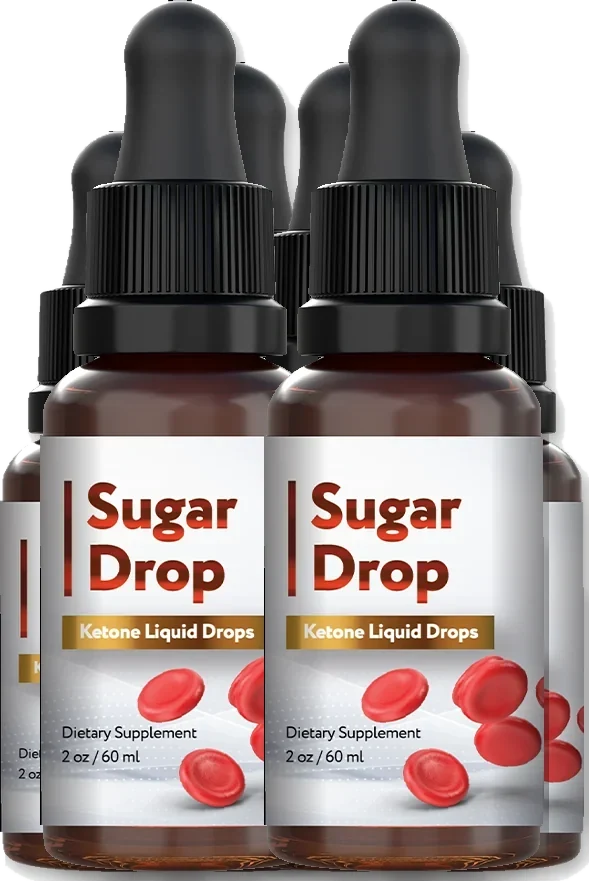
Prefer one daily dropper to a pill schedule?
Sugar Drop puts chromium and a 200 mg botanical blend into a single daily liquid — every ingredient and caveat laid out before you decide.
Check the Official Store