Chromium and Gymnema for Blood Sugar Support
Quick Answer: Do Chromium and Gymnema Help Blood Sugar?
Chromium and gymnema can offer modest support for healthy glucose handling, as part of a daily routine rather than a treatment. Chromium is an essential trace mineral involved in how the body handles carbohydrates, and some trials show small improvements in glucose markers, especially in people who are deficient or have type 2 diabetes. Gymnema sylvestre has a long research history for softening sweet taste and supporting glucose metabolism.
- Strongest finding: chromium helps glucose markers modestly in some groups.
- Dose that matters: 200–1000 mcg chromium/day in many studies.
- Key caveat: support alongside diet, not a cure — see a clinician for diabetes.

Why chromium, and why it is so often overstated
Chromium is an essential trace mineral: the body needs a small amount, and it plays a role in the action of insulin and the metabolism of carbohydrates. That biological role is why it shows up in almost every blood-sugar supplement. The research, though, is more measured than the marketing. Reviews of chromium supplementation report small improvements in fasting glucose or HbA1c in some studies — often in people with type 2 diabetes or who are chromium-deficient — but the results are inconsistent, and healthy, well-nourished people may see little or nothing.
The number that gets lost is the dose. Trials that report an effect commonly use 200 to 1000 mcg of chromium per day. That is worth holding up against any label: a formula supplying a fraction of a microgram is not delivering a studied dose, whatever the front of the bottle says. It is prevention-adjacent support at best, not a mechanism you can lean on.
The gymnema side of the story
Gymnema sylvestre is the other ingredient with a real history here. Its Hindi name translates roughly to "sugar destroyer," and it has two studied properties. First, gymnemic acids can temporarily blunt the perception of sweetness — chew a leaf and sugar tastes like sand for a while — which is a plausible route to fewer cravings. Second, small trials suggest it may support glucose metabolism over time.
The honest limitation mirrors chromium: the doses used in gymnema research are substantial, typically hundreds of milligrams of a standardised extract per day. When gymnema sits inside a small proprietary blend alongside a dozen other ingredients, there is simply no way to know whether it reaches a researched amount. The ingredient has evidence; the specific serving may not.
What the evidence supports, in one table
| Ingredient | What the research supports |
|---|---|
| Chromium | Modest, inconsistent glucose-marker improvements in some groups (esp. deficient / type 2 diabetes); dose 200–1000 mcg/day |
| Gymnema sylvestre | Blunts sweet taste; small trials suggest glucose support at higher doses |
| Green tea | Polyphenols studied for metabolism; contributes caffeine |
| African mango | Popular in metabolism formulas; limited, mixed human data |
| Raspberry ketones | Marketing favourite; little human evidence for blood sugar |
Where the evidence stops
Two honest limitations are worth stating plainly. First, a finished multi-ingredient supplement is not the same as any single studied dose — the ingredients can have evidence while the specific product, at its specific (and here, undisclosed) amounts, has never been trialled. Always check a label's chromium microgrammes and, where you can, its botanical amounts against what the studies actually used. Second, none of this treats diabetes. If your blood sugar is a medical concern, that is a conversation with a clinician and, where needed, medication — a supplement is an add-on to diet and lifestyle, not a replacement for care.
Medical note: this article is general information, not medical advice. Speak to a healthcare professional before starting any supplement, especially if you have diabetes, take glucose-lowering or blood-pressure medication, or are sensitive to caffeine — blood-sugar drops often contain guarana and green tea.
Scientific references
- NIH Office of Dietary Supplements — Chromium: Fact Sheet for Health Professionals
- NIH NCCIH — Diabetes and Dietary Supplements: What the Science Says
- Cochrane Library — reviews of chromium supplementation and glucose metabolism
- PubMed — reviews of Gymnema sylvestre and blood glucose control
- U.S. FDA — Dietary Supplements: what the label can and cannot claim
Frequently asked questions
Does chromium lower blood sugar?
The evidence is mixed and modest. Chromium is an essential trace mineral involved in carbohydrate metabolism, and some trials and reviews report small improvements in glucose markers, particularly in people who are chromium-deficient or have type 2 diabetes. The effect is not large or consistent enough to treat a condition, and it is not a substitute for medication.
How much chromium is used in studies?
Trials commonly use 200 to 1000 micrograms of chromium per day, often as chromium picolinate. That is worth comparing against any label: many blood-sugar supplements, including some drop formulas, contain far less than the researched amounts.
What does gymnema sylvestre do?
Gymnema sylvestre is a leaf used in traditional medicine and studied for two things: reducing the perception of sweetness (it can temporarily blunt sweet taste) and supporting glucose metabolism. The human evidence is promising but limited, and doses in studies are far higher than what fits inside a small proprietary blend.
Can a supplement replace diabetes medication?
No. Blood-sugar supplements are studied for support alongside diet and lifestyle, not as a treatment for diabetes. Do not stop or reduce prescribed medication based on a supplement. If your blood sugar is a medical concern, work with a clinician.
Is Sugar Drop made with chromium and gymnema?
Chromium and gymnema are the two ingredients this guide focuses on, as they are the core ingredients of blood sugar support formulas like Sugar Drop. Check the product label for the exact blend and amounts.
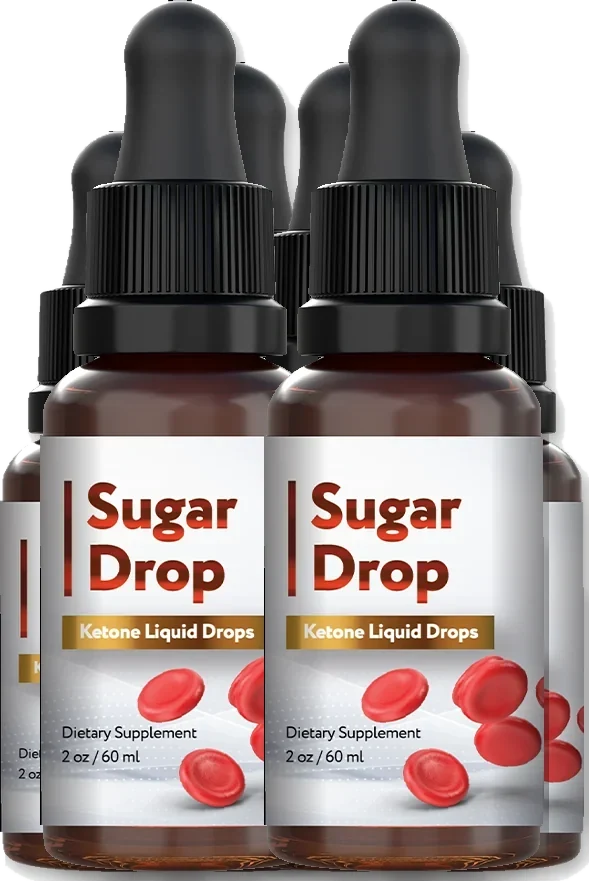
See how Sugar Drop puts this together
Chromium plus a 200 mg botanical blend in a daily liquid — with every ingredient and its evidence laid out.
Read the Sugar Drop Review