Do Blood Sugar Supplements Work? What Trials Show
Quick Answer: Do Blood Sugar Supplements Work?
Some ingredients have real but modest trial support for glucose markers, and they work alongside good habits rather than in place of them. The clearest signals come from berberine, from chromium in people who are deficient or living with type 2 diabetes, and from gymnema in small studies. Effects are small, so they are best seen as a daily support next to diet and activity.
- Best-supported ingredients: berberine, chromium (in deficiency or type 2 diabetes), gymnema.
- Typical effect: small shifts in fasting glucose or HbA1c, not normalisation.
- Biggest catch: blend amounts are usually far below the doses trials used.
First, decide what "work" is supposed to mean
Half the confusion in this category comes from an unstated definition. A pharmacologist asking whether something works means: in a randomised, placebo-controlled trial of adequate size and duration, did the treated group show a statistically and clinically meaningful change in a hard endpoint such as HbA1c? A shopper asking the same question usually means something looser — will I feel steadier after lunch, will my cravings ease, will my next lab result look better than the last one?
Those are not the same question, and they have different answers. Supplements are regulated as food, not medicine. Legally they may support normal function; they may not treat, cure or prevent disease, and no honest publisher should imply otherwise. So the only version of the question that can be answered from the literature is the narrow one: does this ingredient, at this dose, move a measured glucose marker more than placebo? Everything else is expectation management.
It is also worth separating three endpoints that get blurred together. Fasting glucose is a single morning snapshot and is noisy. HbA1c reflects roughly the previous two to three months and is the sturdier measure, which is why trials shorter than about twelve weeks cannot say much about it. Post-meal glucose response is the most responsive to what you just ate and the easiest for any intervention to influence in the short term. When a marketing page says a product "improves blood sugar", ask which of those three it means.
Do blood sugar supplements work according to the trials?
Ingredient by ingredient, the picture is uneven but not empty. Berberine has the most substantial body of randomised evidence in this space, with multiple trials and pooled analyses reporting reductions in fasting glucose and HbA1c; it is also the ingredient most likely to cause gastrointestinal side effects and the one with the clearest potential for drug interactions, because it affects the same liver enzymes many medications rely on. Chromium is an essential trace mineral with a defensible mechanism in carbohydrate metabolism, and pooled analyses report small improvements concentrated in people with type 2 diabetes or low chromium status, with little signal in healthy, well-nourished adults.
Gymnema sylvestre has a smaller but genuine literature, including its well-documented ability to temporarily blunt the perception of sweetness — a plausible route to eating less sugar that has nothing to do with metabolism at all. Cinnamon has been studied extensively with frankly mixed results; some trials report modest fasting glucose reductions, others report nothing, and the species used varies in ways that make trials hard to compare. Alpha-lipoic acid, magnesium and inositol each have supportive threads for particular populations. At the other end, raspberry ketones and several popular "metabolism" botanicals have essentially no human evidence relevant to glucose, despite prominent placement on labels.
So when people ask do blood sugar supplements work, the accurate answer is: a handful of ingredients have modest, replicated support; most of the rest are riding on the reputation of the few that do. And an ingredient having evidence is not the same as your bottle having a useful amount of it.
Judge any formula by its panel
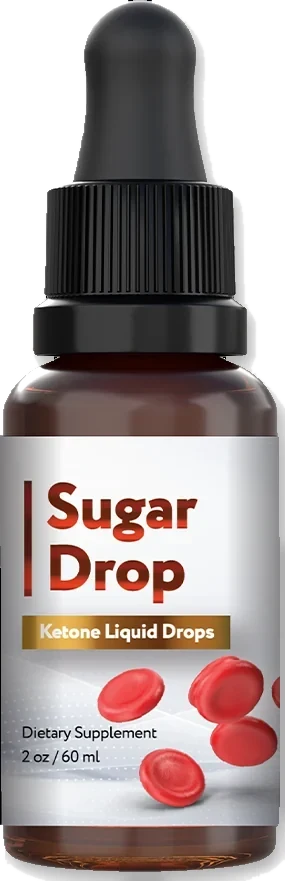
Shortlisting the best blood sugar supplement is easier when you can see the amounts. Sugar Drop's full Supplement Facts panel is published rather than summarised.
See the Official Sugar Drop OfferThe dose gap nobody puts on the front of the bottle
This is the single most useful thing to understand before spending money. Trials that report an effect use specific, usually substantial doses: chromium studies commonly run from 200 to 1000 mcg a day, gymnema studies use hundreds of milligrams of standardised extract, berberine trials typically use it in gram-scale daily amounts split across doses. Those numbers set the bar.
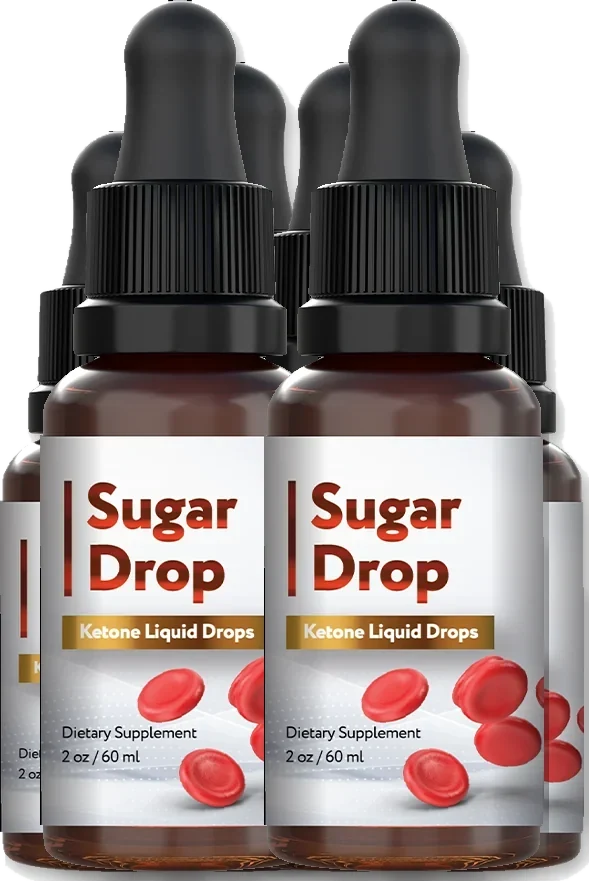
Now look at a real label. Sugar Drop's panel lists chromium as chromium picolinate at 0.7 mcg per 1 ml serving — 2% of the daily value — alongside a 200 mg proprietary blend that contains more than twenty items, among them maca, grape seed, guarana, African mango, green tea, astragalus, gymnema, panax ginseng, raspberry ketones and several amino acids. Even if that blend were divided evenly, each ingredient would land in the single-digit milligrams. It cannot be delivering the doses the trials used, and no formula of that size could.
That is not unique to one product; it is how most multi-ingredient blends in this category are built. The honest way to read such a label is as a broad, low-dose daily habit with a pleasant delivery format — not as a compressed version of the clinical literature. If a specific studied dose is what you want, a single-ingredient product at a disclosed amount is the only way to get it, and the same logic applies whether you are comparing drops, capsules or gummies.
Evidence and dose at a glance
| Ingredient | What has been studied | Typical dose in research | Evidence strength |
|---|---|---|---|
| Berberine | Fasting glucose, HbA1c, lipids | Gram-scale daily, split doses | Strongest in this category; notable GI effects and interaction risk |
| Chromium | Fasting glucose, insulin sensitivity | 200–1000 mcg/day | Small and mixed; clearest in deficiency or type 2 diabetes |
| Gymnema sylvestre | Sweet-taste perception, glucose markers | Hundreds of mg standardised extract | Promising but small trials |
| Cinnamon | Fasting glucose | Roughly 1–6 g/day in trials | Genuinely mixed; species and extract vary |
| Magnesium | Insulin sensitivity, glucose markers | Hundreds of mg/day | Consistent observational links, mixed trials |
| Raspberry ketones | Marketed for metabolism | No established human dose | Little relevant human evidence |
What the trials cannot tell you
Even the better studies come with structural limits worth naming. Most are small, and small trials produce unstable estimates — a handful of unusual responders can swing an average. Many run for eight or twelve weeks, long enough to detect a shift in fasting glucose but short for anything about long-term outcomes. Populations differ wildly: results from participants with poorly controlled type 2 diabetes do not transfer cleanly to a healthy adult worried about afternoon slumps. Extract standardisation differs between studies of the same plant, so "gymnema" in one trial and "gymnema" in another are not necessarily the same input.
Then there is the publication problem. Trials that find an effect are more likely to be published than trials that find nothing, which quietly inflates every pooled estimate in every category, supplements included. And the deepest limitation of all: finished multi-ingredient products are almost never trialled as sold. Ingredient evidence is borrowed, not earned, when a brand cites studies of single compounds to support a twenty-ingredient blend at undisclosed amounts.
An ingredient having evidence and a product having evidence are two different claims. Almost every blend in this category makes the first one and lets you hear the second.
Where a supplement plausibly does contribute
None of the above makes the category pointless. There are three defensible reasons someone might take one. The first is nutritional insurance: if a mineral involved in glucose metabolism is genuinely low in your diet, correcting it removes a handicap, which is the argument our piece on zinc and glucose metabolism works through in detail. The second is behavioural: gymnema's effect on sweet taste, or the simple ritual of a daily habit aimed at a health goal, can nudge eating patterns in ways a lab test never captures. The third is additive: small effects stacked on top of genuinely effective changes — fibre, protein, walking after meals, sleep, weight loss — are still small effects, but they are not zero.
What that framing rules out is substitution. A daily formula is an addition to the things with strong evidence, never a replacement for them. Anyone shopping for the top blood sugar support supplements as an alternative to changing what is on the plate has the priority order backwards, and no product on the market fixes that.
The limits: what none of these can do
No dietary supplement can treat, cure, prevent or reverse diabetes or prediabetes. None is a substitute for prescribed medication, and stopping or reducing a prescription because you started a supplement is genuinely dangerous. None will normalise a glucose reading that reflects an underlying condition needing medical care. None is exempt from interactions: berberine, ginseng, chromium and caffeine-bearing botanicals can all interact with glucose-lowering, blood-pressure or blood-thinning drugs, which is precisely why your prescriber should know what you take.
Two more limits are worth being blunt about. Supplements do not require pre-market proof of effectiveness, so shelf presence tells you nothing about evidence. And proprietary blends withhold the one number that would let you check the claim, which means any confident statement about what a blend "delivers" is a statement nobody — including us — can verify from the label alone.
How to test one honestly, if you decide to
The general question of do blood sugar supplements work can only ever be answered with a population average, and averages hide the people at both ends. If you want a real answer for yourself rather than a general one, run it like a small experiment. Change one thing at a time: starting a formula the same week you overhaul your diet guarantees you learn nothing about either. Give it eight to twelve weeks, because that is the window in which HbA1c can actually move. Take it consistently and at the same time each day. Keep a simple log of readings if you already monitor, and note sleep, activity and anything unusual, since all three move glucose more than most capsules do.
Decide your stopping rule in advance — what result would make you continue, and what would make you stop — because deciding afterwards is how people end up subscribed to things that did nothing. Buy from a source with a clear refund window so an unsuccessful trial costs you time rather than money. And tell your clinician, especially if you take medication; a supplement that genuinely nudges glucose is exactly the kind of thing that should be on your chart. That is the same discipline we apply when comparing what the chromium and gymnema literature supports against what a label actually supplies.
Medical note: this article is general information, not medical advice. Speak to a healthcare professional before starting any supplement, especially if you have diabetes or prediabetes, take glucose-lowering or blood-pressure medication, or are sensitive to caffeine — blood-sugar formulas often contain guarana and green tea.
Frequently asked questions
Do blood sugar supplements work?
Some ingredients have real but modest trial support for glucose markers, and no supplement works the way a medication works. The strongest signals in the literature come from berberine, chromium in people who are deficient or have type 2 diabetes, and gymnema in small studies. Effects are small, inconsistent between trials, and measured alongside diet and lifestyle rather than instead of them.
How long does a blood sugar supplement take to do anything?
Most trials on botanical and mineral formulas run for eight to twelve weeks or longer, because these ingredients act through nutrition and metabolism rather than a rapid drug effect. A realistic personal trial window is the same: eight to twelve weeks of consistent daily use alongside unchanged diet and activity, so you can tell what changed and why.
Why do supplement labels use amounts smaller than the studies?
Because a single small serving cannot physically hold research doses of twenty ingredients at once. A 200 mg proprietary blend split across twenty-plus botanicals and amino acids leaves each one far below the hundreds of milligrams used in trials. That is a formulation constraint, not a conspiracy, but it does mean a blend should be judged as a broad daily habit rather than as a studied dose.
Can a supplement replace diabetes medication?
No. Dietary supplements are not drugs, are not approved to treat any disease, and must never be substituted for prescribed medication. If your blood sugar is a medical concern, work with a clinician on treatment and use any supplement only as an optional addition they are aware of.
Which blood sugar supplement ingredients have the most research?
The clearest signals in the published literature come from berberine, from chromium in people who are deficient or living with type 2 diabetes, and from gymnema in small studies. Results vary between trials.
Scientific references
- NIH NCCIH — Diabetes and Dietary Supplements: What the Science Says
- NIH Office of Dietary Supplements — Chromium: Fact Sheet for Health Professionals
- PubMed — randomised trials of berberine and glycaemic control
- Harvard T.H. Chan School of Public Health — Carbohydrates and Blood Sugar
- Mayo Clinic — Chromium: evidence, dosing and interactions
Check the label before the claims
Chromium plus a 200 mg botanical blend in a daily liquid, with a 60-day window from the manufacturer if it is not for you.
Check the Official Store