Supplements to Lower Blood Sugar: A Buyer’s Guide
Quick Answer: What Are the Best Supplements to Lower Blood Sugar?
The supplements to lower blood sugar with the most consistent evidence are berberine, magnesium and alpha-lipoic acid, followed by chromium, cinnamon and fenugreek. They offer modest, supportive effects next to a good diet and your doctor’s plan. Match the ingredient and dose to what research actually used, and check for interactions before combining several at once.
- Strongest evidence: berberine, then magnesium and alpha-lipoic acid.
- Modest but real: chromium (10–20% in some type 2 diabetes studies) and cinnamon (1–6 g/day).
- Ground rules: supplements complement care, they don't replace it, and combinations need a clinician's sign-off.
How to read this category before you spend a penny
Search "supplements to lower blood sugar" and you will drown in options, each one presented as the breakthrough the others are hiding from you. The truth is duller and more useful: a small group of ingredients has genuine human evidence behind it, a larger group has interesting-but-thin evidence, and a great deal of what fills the shelf is there because it sells, not because it works. The job of a buyer's guide is to grade honestly and let you match an ingredient to your situation — which is what this one sets out to do, before pointing you at any particular product.
Two rules frame everything that follows. First, supplements are not FDA-approved drugs; they are not required to prove they work before they are sold, and even the best of them produce modest effects compared with prescribed medication. Second, every ingredient below has a dose that research actually used, and a product that supplies a fraction of that dose is, for practical purposes, homeopathic. Amount is as important as ingredient. With those two rules in hand, here is how the leading candidates stack up.
The evidence-graded ranking
Berberine — the strongest single ingredient. If any supplement in this category earns the word "impressive," it is berberine. Across multiple human trials it has lowered fasting glucose and HbA1c, with some studies putting its effect in the same conversation as older oral diabetes drugs. It is the reason the whole category gets taken seriously. The catch is that it is demanding: an effective dose is around 1,000–1,500 mg a day, split into two or three servings with meals, and it interacts with a long list of medications. Our dedicated guide to the benefits of a berberine supplement for blood sugar covers the evidence in depth.
Magnesium — the quiet foundation. Magnesium does not get marketed as a blood sugar hero, but the observational evidence linking low magnesium to poorer glucose control is reasonably consistent, and low intake is genuinely common. Supplementation trials are more mixed, with the clearest benefit in people who were deficient to begin with — a recurring theme in this category. It is cheap, well-tolerated and worth checking your intake against, especially if your diet is light on greens, nuts and whole grains.
Alpha-lipoic acid (ALA) — the antioxidant with real trials. ALA has a respectable body of human research on insulin sensitivity and on the nerve symptoms associated with long-standing high glucose. Doses in studies are typically several hundred milligrams a day. It sits just behind berberine and magnesium as an ingredient with more than marketing behind it.
Chromium — modest, conditional, real. Chromium is involved in how insulin does its job, and in some trials in people with type 2 diabetes it has improved blood sugar by roughly 10 to 20 percent. The effect is inconsistent and tends to be largest where status was low, but it is a legitimate ingredient rather than a filler — which is part of why it appears in so many blended formulas.
Cinnamon — small effect, easy to overstate. Cinnamon at 1 to 6 grams a day has modestly lowered fasting glucose in a number of studies, though the results scatter and the effect is small. It is a reasonable, low-risk addition rather than a centrepiece — and a sprinkle on your oatmeal is not the studied dose.
Fenugreek and gymnema — promising botanicals. Fenugreek, high in soluble fibre, has shown small improvements in glucose markers, and gymnema sylvestre has a long traditional history plus some encouraging small trials, particularly around sugar cravings. Both are legitimate supporting players with limited-but-real evidence rather than headline acts. Our closer look at chromium and gymnema evidence works through what the trials actually show.
Want several of these ingredients in one daily dose?
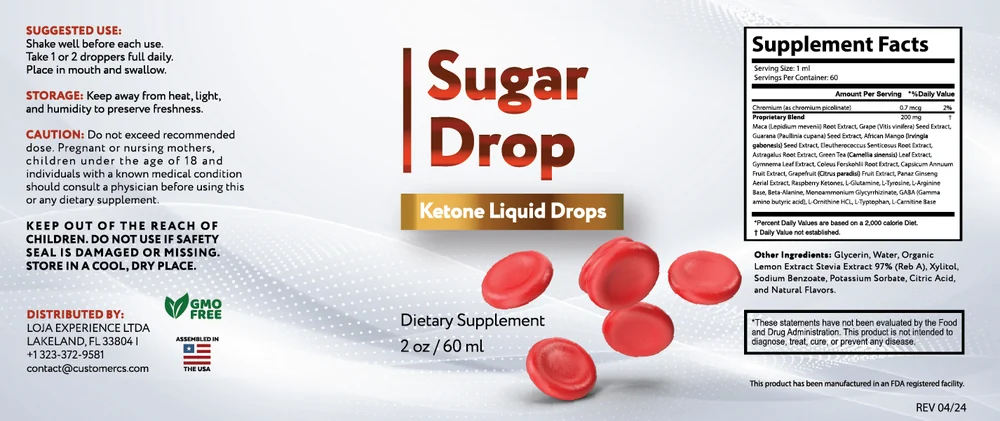
Sugar Drop combines chromium with a 200 mg botanical blend — gymnema, green tea, African mango, maca and more — in a single liquid dropper. See the full label.
See the Official Sugar Drop OfferEvidence and dose at a glance
| Ingredient | Strength of evidence | Dose used in research | Best thought of as |
|---|---|---|---|
| Berberine | Strongest — consistent human trials | 1,000–1,500 mg/day, split | The lead single ingredient |
| Magnesium | Consistent observational; mixed trials | Hundreds of mg/day | A foundation to check first |
| Alpha-lipoic acid | Good human research | Several hundred mg/day | Insulin-sensitivity support |
| Chromium | Modest, conditional | 200–1,000 mcg/day | 10–20% shift in some T2D studies |
| Cinnamon | Small, scattered | 1–6 g/day | Low-risk minor addition |
| Fenugreek / gymnema | Limited but promising | Hundreds of mg (extract) | Supporting botanicals |
Single ingredient or a blend?
Once you know which ingredients earn their place, the real buying decision is format: a high-dose single ingredient, or a multi-ingredient blend? Each has a logic. A single-ingredient product — a berberine capsule, say — lets you take a research-level dose of one thing and know exactly what you are getting. The cost is a stricter routine and, often, more pills. A blend trades dose-precision for breadth and convenience: several supporting ingredients in one daily serving, but rarely at the full studied dose of each, because the arithmetic of a small blend total will not allow it.
Neither is inherently better; they answer different questions. If you have decided berberine is the ingredient you want at the dose the studies used, a single-ingredient product is the honest way to get it. If you would rather cover several bases in a routine you will actually keep to, a well-constructed blend can make sense — provided you judge it as a broad daily habit, not as a substitute for a studied single dose. The mistake to avoid is buying a blend expecting single-ingredient results, or buying a single ingredient and then not taking it consistently.
Where Sugar Drop fits in this line-up
To be transparent about our own bias: this site covers Sugar Drop, so here is exactly what it is and is not. Sugar Drop is a blend, not a single ingredient, and it is chromium-and-botanical-led rather than berberine-led — in fact it contains no berberine at all. Each daily dropper supplies chromium (as chromium picolinate) plus a 200 mg proprietary blend of botanicals and amino acids, including gymnema, green tea, African mango, maca, grape seed, guarana and panax ginseng. On the ranking above, that means it leans on the chromium, gymnema and botanical end of the evidence spectrum rather than the berberine end.
What that makes it good for, and honest about, is this: Sugar Drop is a convenience-and-breadth play in a once-daily liquid, for someone who wants several supporting ingredients without managing multiple bottles or a three-times-a-day capsule schedule. What it is not is a way to get a research-level berberine dose — if that is your goal, buy berberine. As with every blend, judge it as a broad daily habit and read the panel against this guide: which ingredients, at what amounts, against what the research used. If you want the harder question of whether blends like this deliver measurable results, our evidence review of whether blood sugar supplements work tackles it head-on.
The best blood sugar supplement is not the one with the longest ingredient list. It is the one whose ingredients you can name, at doses you can point to in research, taken consistently enough to matter.
The three objections every honest buyer should raise
"Can I just stack them all?" Cautiously, and not blindly. Combining several glucose-lowering ingredients can compound the effect, which sounds good until you remember that "more glucose-lowering" is exactly the risk if you also take diabetes medication. Berberine in particular alters how the liver processes other drugs. A stack is a pharmacist conversation, not a shopping-cart decision.
"Do these replace my medication?" No. Supplements are not approved to treat diabetes, and their effects are smaller and less predictable than metformin or insulin. Nobody should reduce or stop prescribed treatment because a supplement arrived in the post. These products sit alongside diet, movement and medical care — not in place of them.
"How fast will I see anything?" Slower than the marketing implies. Nutritional and botanical effects build over weeks, so give any product a realistic eight-to-twelve-week window on a steady dose, and track a real number — a fasting reading or an HbA1c — rather than how you feel. And if a mineral is your specific interest, our explainer on zinc and blood sugar metabolism shows how "essential for a process" does not automatically mean "lowers blood sugar."
Medical note: this article is general information, not medical advice. Several ingredients here can lower blood sugar and interact with medication. Speak to a healthcare professional before starting or combining supplements, especially if you have diabetes, take glucose-lowering or blood-pressure medication, or are pregnant or nursing. Do not change prescribed treatment on your own.
Frequently asked questions
What supplements are most proven to lower blood sugar?
Berberine has the most consistent human evidence for lowering fasting glucose and HbA1c, with magnesium and alpha-lipoic acid close behind. Chromium can improve blood sugar by roughly 10 to 20 percent in some people with type 2 diabetes, and cinnamon at 1 to 6 grams a day modestly lowers fasting glucose. None is a drug, and effect sizes are smaller and less reliable than prescribed medication — they support good habits rather than replace treatment.
Are blood sugar supplements safe to combine?
Often, but not always, and not without checking. Stacking several glucose-lowering ingredients — for example berberine with chromium and cinnamon — can add up to a larger effect and, if you also take diabetes medication, push blood sugar too low. Berberine in particular interacts with many prescription drugs by affecting how the liver processes them. Combining supplements is a conversation to have with a pharmacist or clinician, not a guessing game.
Do I still need medication if I take supplements?
Do not stop or reduce prescribed medication because you started a supplement. Supplements are not approved to treat diabetes, and their effects are smaller and less predictable than medicines like metformin or insulin. They work best alongside — not instead of — the diet, activity and medical care your clinician recommends. Any change to prescribed treatment should be made by the prescriber, based on your own readings.
Which single supplement has the strongest evidence?
Berberine is the usual answer. Across multiple human trials it has produced reductions in fasting glucose and HbA1c comparable in some studies to older oral diabetes drugs, which is why it is so often the lead ingredient in this category. That said, it needs careful, split dosing, interacts with several medications, and is not a cure — strong evidence for a supplement still means modest, supportive effects.
How do I choose a blood sugar supplement?
Start with ingredients that have research behind them, then match the dose to what studies actually used. Check the label for what is in the blend, and ask your doctor about interactions before combining several.
Scientific references
- NIH NCCIH — Diabetes and Dietary Supplements: What the Science Says
- PubMed — research on berberine and glycaemic control
- NIH Office of Dietary Supplements — Magnesium: Fact Sheet for Health Professionals
- NIH Office of Dietary Supplements — Chromium: Fact Sheet for Health Professionals
- PubMed — alpha-lipoic acid and insulin sensitivity research
- American Diabetes Association — Food & Nutrition guidance
Related reading
See a blended formula's label in full
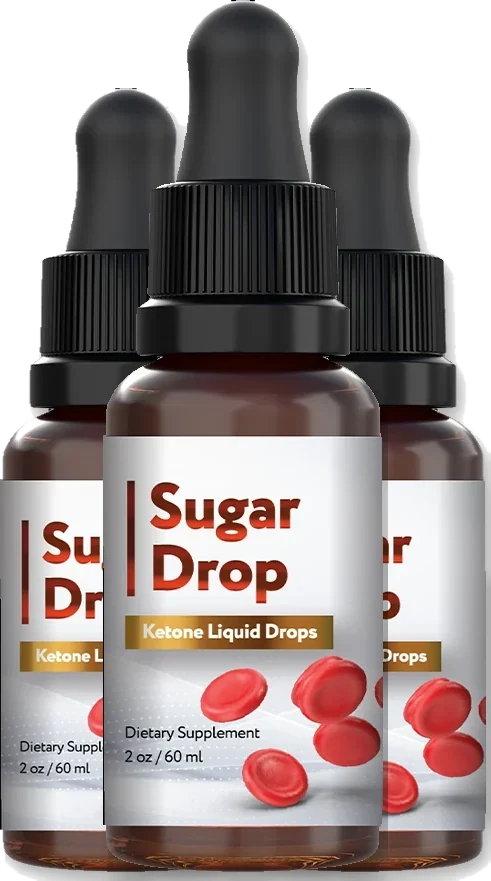
Chromium plus a 200 mg botanical blend in a once-daily liquid — every ingredient, amount and caveat laid out so you can judge it against this guide.
Check the Official Store