Zinc Supplement for Blood Sugar Support
Quick Answer: Does Zinc Help Blood Sugar?
A zinc supplement can help fill a nutritional gap, because zinc is involved in how the body stores, releases and responds to insulin. Research shows small shifts in glucose markers, with the clearest signal in people who were low in zinc to start with. Keep total daily intake under the 40 mg adult upper limit.
- Real mechanism: zinc is used to package insulin inside the pancreas and to run insulin signalling.
- Honest effect size: modest and inconsistent; largest where a deficiency existed.
- Safety ceiling: 40 mg/day for adults from all sources — more competes with copper.
Why zinc keeps turning up in the blood sugar conversation
Zinc earns its place here through biology, not marketing. Inside the beta cells of the pancreas, insulin is not floating around loose — it is packed into crystalline hexamers built around zinc ions, ferried in by a dedicated zinc transporter. When those granules release their contents, zinc goes out with the insulin. That is an unusually direct structural role for a trace mineral, and it is the reason researchers started asking about zinc status and glucose control decades ago.
The interest does not stop at storage. Zinc participates in insulin receptor signalling downstream in muscle and fat tissue, and it is a cofactor for enzymes involved in antioxidant defence, including copper-zinc superoxide dismutase. Since oxidative stress is one of the mechanisms through which chronically elevated glucose damages tissue, a mineral sitting in that pathway is a reasonable thing to study. So the mechanistic case for a zinc supplement blood sugar connection is not invented — it is textbook physiology.
What gets stretched is the leap from mechanism to outcome. A nutrient being necessary for a process does not mean more of it makes the process work better. Iron is necessary for oxygen transport; extra iron does not make a well-nourished person breathe more efficiently. Zinc follows the same rule, and it is the rule most supplement copy quietly skips.
What the research on a zinc supplement blood sugar effect actually shows
Pooled analyses of zinc supplementation trials have generally reported small improvements in fasting glucose and, in some datasets, in HbA1c and insulin resistance indices — most consistently among people with type 2 diabetes or documented low zinc status. Alongside those, other trials in healthy or well-nourished participants have found little or nothing. That pattern is the single most useful thing to know about this ingredient.
Three things drive the inconsistency. First, baseline status: if your zinc intake is already adequate, supplementation is correcting nothing, and there is no deficit for it to close. Second, trial design: durations vary from a few weeks to several months, doses vary widely, and glucose endpoints are noisy in small groups. Third, publication patterns favour positive findings, which nudges the average effect upward in any pooled estimate. None of that makes the research worthless. It means the honest summary is "small, conditional, and dependent on who you were before you started" rather than "zinc lowers blood sugar."
The National Institutes of Health's own position on supplements for glucose management is deliberately restrained for exactly this reason: the evidence base across the whole category is thin, mixed, and rarely strong enough to support a claim. Anyone selling you certainty about a zinc supplement blood sugar outcome is selling you something the literature does not contain.
Comparing formulas on the label, not the headline
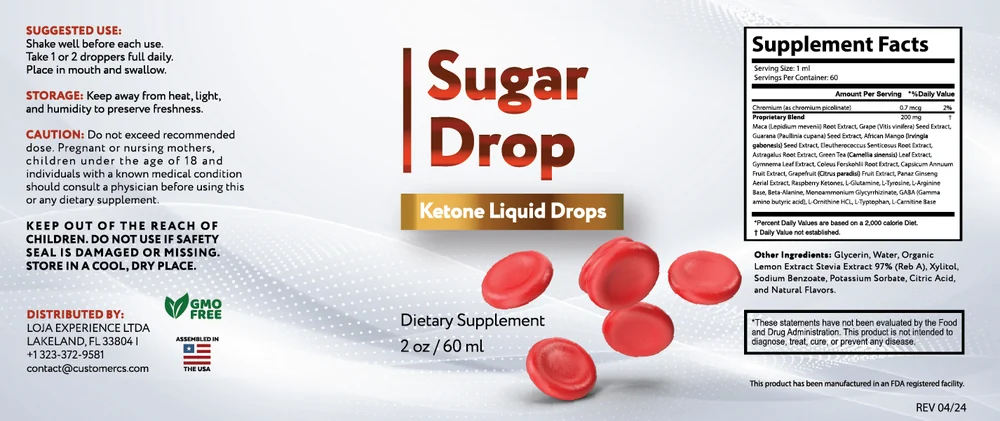
If you are shortlisting the best blood sugar support supplement for you, the panel tells you more than the sales page does. Sugar Drop's is published in full.
See the Official Sugar Drop OfferWho is actually likely to be low in zinc
Because the benefit clusters in people who were short of zinc, the practical question is not "should I take zinc" but "am I likely to be low?" Several groups genuinely are more exposed. Older adults absorb less and often eat less overall. People eating predominantly plant-based diets take in zinc alongside phytates, which bind the mineral and reduce how much crosses the gut wall — which is why zinc requirements are often cited as meaningfully higher for long-term vegetarians and vegans. People with inflammatory bowel disease, coeliac disease or a history of bariatric surgery malabsorb it. Heavy or prolonged alcohol use both reduces absorption and increases urinary loss.
There is also a specific and often-missed loop: people living with poorly controlled diabetes tend to lose more zinc in urine, which can pull status down over time in exactly the population that has been studied most. That is a plausible explanation for why supplementation trials in that group read more positively than trials in healthy volunteers — the correction is real because the shortfall was real.
What none of this justifies is self-diagnosis. Zinc status is awkward to measure; plasma zinc responds to inflammation and recent meals, so a single reading is a rough guide at best. If you have a reason to suspect a shortfall — restrictive diet, gut condition, long-term medication — that is a conversation with a clinician, not a reason to start a high dose on your own.

Dose, form and the ceiling you should not cross
Zinc has clear reference numbers, which is refreshing in a category full of proprietary vagueness. The NIH Office of Dietary Supplements sets the recommended dietary allowance at 11 mg a day for adult men and 8 mg for adult women, with higher figures during pregnancy and lactation. The tolerable upper intake level for adults is 40 mg a day from food and supplements combined — and that is a ceiling, not a target.
Crossing it consistently is where zinc stops being harmless. Sustained high-dose zinc competes with copper for absorption and can produce a copper deficiency, which carries its own haematological and neurological consequences. Short-term, large single doses on an empty stomach mostly cause nausea and a metallic taste. The form matters less than people assume: picolinate, citrate and gluconate are better absorbed than oxide, but the gap between forms is smaller than the gap between taking it with food and taking it without.
How zinc compares with the other minerals people ask about
| Nutrient | Typical adult intake reference | Doses used in glucose research | Strength of evidence for glucose support |
|---|---|---|---|
| Zinc | RDA 11 mg (men) / 8 mg (women); UL 40 mg | Commonly in the tens of milligrams daily | Modest and inconsistent; clearest where status was low |
| Chromium | No RDA; adequate intake in the tens of micrograms | Often 200–1000 mcg daily | Small, mixed; studied more in type 2 diabetes than in healthy adults |
| Magnesium | RDA roughly 310–420 mg by age and sex | Hundreds of milligrams daily | Observational links are reasonably consistent; trial results are mixed |
| Gymnema sylvestre | Not a nutrient; no intake reference | Hundreds of milligrams of standardised extract | Small trials are promising; sample sizes are limited |
| Raspberry ketones | Not a nutrient; no intake reference | No established human dose | Little human evidence relevant to blood sugar |
Where zinc sits inside a multi-ingredient blood sugar formula
Here is the part most ingredient articles avoid, so we will be direct: Sugar Drop does not contain zinc. Its Supplement Facts panel lists chromium as chromium picolinate at 0.7 mcg per 1 ml serving — 2% of the daily value — plus a 200 mg proprietary blend of botanicals and amino acids including maca, grape seed, guarana, African mango, green tea, astragalus, gymnema, panax ginseng, raspberry ketones, L-glutamine, L-arginine and GABA. If zinc is specifically what you came for, that formula is not where you will find it, and no amount of category-level enthusiasm changes the label.
That is worth saying plainly because "blood sugar supplement" is a shelf, not a recipe. Two products on the same shelf can share nothing at all. Some lead with minerals, some with berberine, some with cinnamon or fibre, some with a botanical blend. When you go looking for the best natural supplement for blood sugar control, the useful comparison is not brand against brand but panel against panel — which nutrient, at what amount, against what the research used.
Proprietary blends make that comparison harder by design. A 200 mg blend containing twenty-plus items cannot be delivering research-level doses of each one; the arithmetic does not allow it. That is not a scandal, it is how this category is built — but it does mean a blend should be judged as a broad-spectrum daily habit, not as a substitute for a studied single-ingredient dose. Our companion piece on chromium and gymnema evidence works through the same arithmetic for the two ingredients this formula actually leads with.
A nutrient that is essential for a process is not automatically a treatment for that process going wrong. Zinc is essential for insulin storage and signalling; that fact justifies avoiding a deficiency, not adding a supplement on top of an adequate diet.
What zinc cannot do
Zinc cannot treat, prevent or reverse diabetes or prediabetes, and nothing in the research suggests otherwise. It is not a replacement for metformin, insulin, or any other prescribed medication, and no one should adjust a prescription because they started a mineral. If your glucose readings are a medical concern, the intervention with the strongest evidence is medical care, followed by the diet, activity, sleep and weight changes your clinician recommends.
Zinc also cannot compensate for a diet built around refined carbohydrate, and it will not blunt the glucose response to a meal the way fibre or a post-meal walk can. Its plausible contribution is narrow: if you are low, correcting that removes a handicap. If you are not low, the honest expectation is nothing measurable. Anyone whose reading of the evidence is more exciting than that is reading a sales page rather than the literature.
One further limit applies to supplements generally. Products are not required to demonstrate a benefit before sale in the way medicines are, and finished multi-ingredient formulas are almost never trialled as sold. Ingredient evidence and product evidence are different things, and conflating them is the most common mistake in this category.
How to read a label before you buy
A short checklist does most of the work. Look for the actual amount of the nutrient you care about, in milligrams or micrograms, not a blend total. Compare that number against the reference intake and against the amounts used in research — if a formula supplies a small fraction of either, judge it accordingly. Check whether the mineral you want is even present rather than assuming category membership implies it. Check the caffeine-bearing botanicals if you are sensitive; green tea and guarana both carry caffeine, and inside a proprietary blend the amount is undisclosed.
Then apply the boring practicalities. Take mineral supplements with food to avoid nausea. Keep total zinc under 40 mg a day across everything you take, including multivitamins and cold lozenges, which are a commonly forgotten source. If you are wondering about the best time to take a blood sugar support supplement, consistency beats timing for anything working through nutrition rather than a rapid pharmacological effect — pick a time you will actually remember, and give any formula a realistic 8 to 12 week window before drawing conclusions. And if you are on glucose-lowering, blood-pressure or thyroid medication, clear any new supplement with your prescriber first, because interactions in this space are real.
Medical note: this article is general information, not medical advice. Speak to a healthcare professional before starting any supplement, especially if you have diabetes, take glucose-lowering or blood-pressure medication, are pregnant or nursing, or already take a multivitamin containing zinc.
Frequently asked questions
Does a zinc supplement lower blood sugar?
Zinc is not a glucose-lowering agent, and it should not be treated as one. Zinc is an essential mineral the body uses to store and release insulin and to run insulin signalling, so a shortfall can plausibly make glucose handling less efficient. Research on supplementation reports small and inconsistent shifts in glucose markers, with the clearest signal in people who were low in zinc to begin with.
How much zinc is safe to take daily?
The recommended dietary allowance set by the NIH Office of Dietary Supplements is 11 mg a day for adult men and 8 mg for adult women, and the tolerable upper intake level for adults is 40 mg a day from all sources combined. Staying under that ceiling matters because sustained high-dose zinc interferes with copper absorption.
Which form of zinc is best absorbed?
Chelated and organic-acid forms such as zinc picolinate, citrate and gluconate are generally better absorbed than zinc oxide, which is cheap and common but less bioavailable. For most people the practical difference is smaller than the difference between taking it with food and taking it on an empty stomach, which is the main cause of zinc-related nausea.
Does Sugar Drop contain zinc?
No. The Sugar Drop Supplement Facts panel lists chromium as chromium picolinate plus a 200 mg proprietary blend of botanicals and amino acids including maca, grape seed, guarana, African mango, green tea, gymnema and panax ginseng. Zinc is not on that label, so if zinc is specifically what you are looking for, this formula is not where you would get it.
Who is most likely to benefit from a zinc supplement?
The clearest signal in research is in people who were low in zinc to start with. Keep total daily intake under the 40 mg adult upper limit.
Scientific references
- NIH Office of Dietary Supplements — Zinc: Fact Sheet for Health Professionals
- PubMed — indexed research on zinc supplementation and glycaemic control
- NIH NCCIH — Diabetes and Dietary Supplements: What the Science Says
- Harvard T.H. Chan School of Public Health — The Nutrition Source: Zinc
- Mayo Clinic — Zinc: uses, dosing and cautions
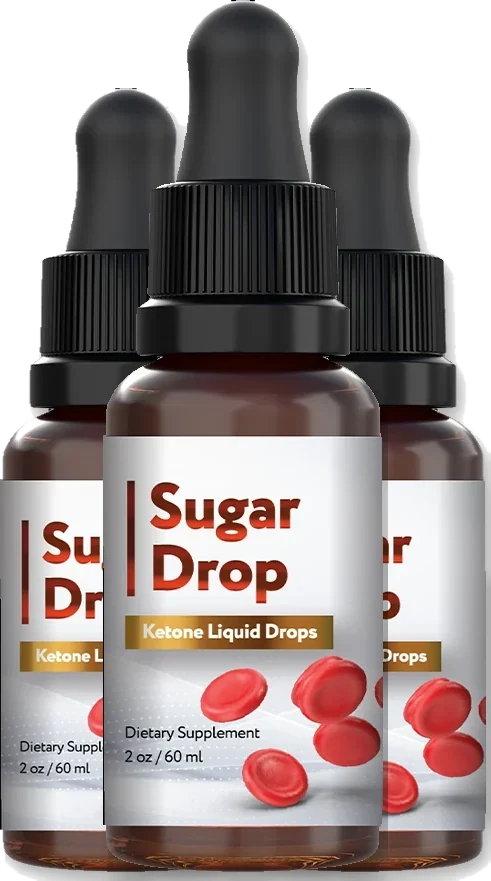
See what Sugar Drop actually contains
Chromium plus a 200 mg botanical blend in a daily liquid — every ingredient, amount and caveat laid out before you decide.
Check the Official Store