Dihydroberberine vs Berberine: Which Is Better?
Quick Answer: Is Dihydroberberine Better Than Berberine?
Dihydroberberine (DHB) is absorbed two to four times better than ordinary berberine, so it works at a much lower dose. Better absorption has not yet been shown to mean better blood sugar results, since much of berberine’s action happens in the gut. Choose DHB for convenience and tolerability.
- Absorption: a 2021 crossover trial found ~100–200 mg DHB raised plasma berberine more than 500 mg berberine HCl (roughly 2–4x).
- Evidence gap: no DHB-specific glycemic trial in prediabetic or diabetic people has been published yet.
- Practical pick: DHB for fewer pills and less GI upset; standard berberine for lower cost and deeper research.

Two forms of the same molecule, one big difference
If you have spent any time researching natural blood sugar support, you have met berberine — the bright-yellow plant compound extracted from barberry, goldenseal and Oregon grape that has become the most talked-about glucose supplement of the decade. Lately a pricier cousin keeps appearing beside it on the shelf: dihydroberberine, usually shortened to DHB. The pitch is seductive — the same benefits, a fraction of the dose, gentler on your stomach. The searches reflect the curiosity: "dihydro berberine" pulls nearly ten thousand queries a month from people trying to work out whether the upgrade is real or just clever marketing. This guide compares the two honestly, so you know exactly what you are paying for before you decide.
Chemically, the two are close relatives. Dihydroberberine is a reduced form of berberine — and, tellingly, it is also a natural metabolite of it. When you swallow ordinary berberine, the bacteria in your gut convert a portion of it into DHB before it is absorbed, and your body then converts it back again. In other words, dihydroberberine is not really a different active ingredient so much as a head start: a form of the same compound that skips one of the slow steps on the journey from capsule to bloodstream.
How dihydro berberine absorption compares to berberine HCl
The absorption story is the entire reason DHB exists as a product. Berberine has a notoriously low oral bioavailability — a large share of any standard dose never makes it into the blood at all, which is part of why the effective dose is so high. A 2021 crossover trial put the two head to head and found that a modest 100 to 200 mg of dihydroberberine raised plasma berberine levels more than a full 500 mg dose of conventional berberine, an absorption advantage in the region of two to four times. On paper that is dramatic: less compound, more of it circulating, and for longer.
It is worth being precise about what that trial actually measured, though. It measured blood levels of berberine — pharmacokinetics — not blood sugar. Higher absorption is a genuine, replicated finding, and no one serious disputes it. Whether that higher absorption produces a bigger drop in glucose is a separate question the study was not designed to answer, and it happens to be the exact question that matters to a buyer.
The evidence gap nobody selling DHB mentions
Here is the uncomfortable fact at the centre of this comparison: there is no published dihydroberberine-specific glycemic trial in people with prediabetes or type 2 diabetes. Berberine, by contrast, has been studied in dozens of human trials with real glucose endpoints, including comparisons that placed it in the same conversation as older oral diabetes drugs. DHB borrows that reputation by association — "it's just better-absorbed berberine" — but the specific claim that DHB lowers blood sugar more, or even as well, in real patients has not yet been tested the way berberine's has.
The reason this matters more than it might first seem comes down to where berberine does its work. A large part of berberine's effect on glucose appears to happen in the gut itself — shifting the balance of the gut microbiome, prompting the release of gut hormones, and acting on the intestinal lining — rather than depending purely on how much reaches the bloodstream. If a meaningful share of the benefit is a local, gut-level effect, then a form engineered to leave the gut faster and enter the blood in greater quantity is not obviously superior. It might even, in theory, move the balance of where the compound acts. Nobody has the trial to say for certain — and that uncertainty cuts against the marketing, not for it.
Prefer a once-daily formula to a three-times-a-day pill routine?
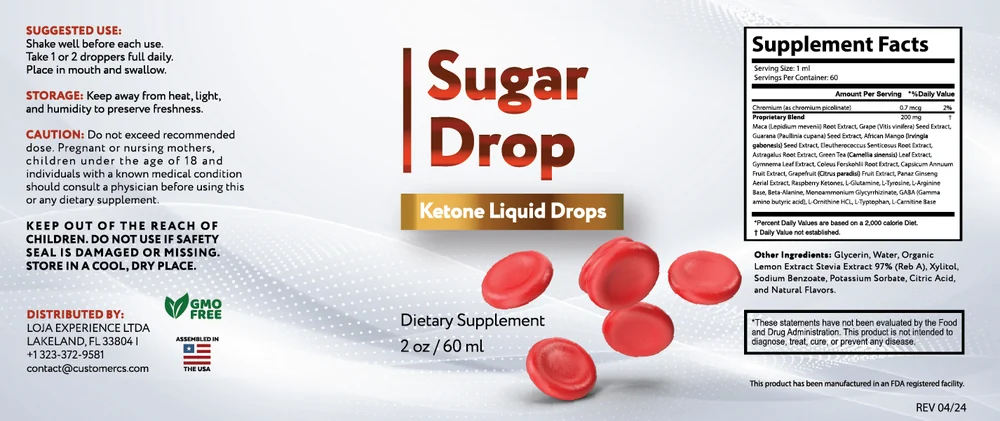
Sugar Drop takes the botanical route instead of an isolated compound — chromium plus a 200 mg blend in a single daily dropper. See exactly what is on the label.
See the Official Sugar Drop OfferDosing: fewer pills, less frequency
Where DHB has a clear, practical edge is the dosing schedule. Standard berberine is usually taken as 1,000 to 1,500 mg a day, split into two or three doses because of its short half-life — a regimen that means remembering capsules at breakfast, lunch and dinner. Dihydroberberine's absorption advantage means an effective dose can be far smaller, often cited around 100 to 200 mg, and taken once or twice a day. For anyone who has abandoned a supplement because managing three-times-daily timing around meals became a chore, that convenience is not trivial. A supplement you actually remember to take beats a better-studied one gathering dust in a drawer. If you want the full breakdown of the standard schedule, our guide to how much berberine to take and when walks through the split-dose approach in detail.
Three objections worth settling before you buy
"More absorption must mean better results." This is the assumption to retire first. For many drugs that logic holds; for berberine, whose action is partly local to the gut, it is an open question rather than a settled fact. Do not pay a premium on the promise of a bigger glucose drop that has not been demonstrated in people. Absorption is a means, not the outcome.
"DHB is expensive — is the standard version a downgrade?" Not at all. DHB typically costs meaningfully more per bottle than plain berberine HCl. If budget is a real constraint and you tolerate standard berberine well, the cheaper, better-researched option is entirely defensible — you are choosing the ingredient with the deeper evidence base and paying less to do it. Reserve the DHB premium for a specific reason: genuine convenience, or a stomach that rebels against standard berberine.
"Does DHB really cause fewer side effects?" Berberine's downside is mostly digestive — cramping, loose stools, constipation and nausea, nearly all of it dose-dependent and worse on an empty stomach. Because DHB works at a lower milligram load, less unabsorbed compound reaches the lower gut, and many users do report gentler digestion. That is plausible and consistent with how the two behave, but it rests largely on anecdote rather than head-to-head tolerability trials. If side effects are your main worry, our overview of blood sugar supplement side effects and how to reduce them is worth reading alongside this.
Dihydroberberine vs berberine at a glance
| Factor | Standard berberine (HCl) | Dihydroberberine (DHB) |
|---|---|---|
| Typical daily dose | 1,000–1,500 mg, split 2–3x | ~100–200 mg, once or twice |
| Absorption | Low oral bioavailability | ~2–4x higher plasma berberine (2021 crossover) |
| Human glucose trials | Dozens, with real endpoints | None specific to DHB in diabetics/prediabetics yet |
| Digestive tolerance | Cramping/loose stools common, dose-related | Often gentler (anecdotal, lower dose) |
| Cost per bottle | Lower | Higher |
| Best for | Evidence-first, budget-conscious buyers | Adherence and sensitive stomachs |
Where Sugar Drop fits — and where it doesn't
A fair question at this point: does Sugar Drop use berberine or dihydroberberine? It uses neither, and we would rather say so plainly than let you assume. Sugar Drop is a liquid dropper formula built around chromium (as chromium picolinate) plus a 200 mg proprietary blend of botanicals and amino acids — maca, grape seed, guarana, African mango, green tea, gymnema and panax ginseng among them. It represents a different philosophy from the single-ingredient berberine capsule: a broad-spectrum botanical approach in a once-daily liquid, rather than a high-dose isolated compound taken three times a day.
That means Sugar Drop is not the product to buy if berberine or DHB specifically is what you are after — if you want the isolated compound, buy the isolated compound. It may be worth a look if the reason you were researching DHB in the first place was to escape berberine's pill burden and stomach upset, and you are open to a botanical blend instead. The honest framing is comparison, not substitution: read the Sugar Drop label, read a berberine label, and match each to what you actually want from a daily blood sugar support supplement. Our companion pieces on the benefits of a berberine supplement for blood sugar and the best berberine supplement for 2026 cover the isolated-compound route in full if that is the direction you lean.
Better absorption is a real, measurable property of dihydroberberine. Better results are a claim the evidence has not yet earned. Keep the two apart and the comparison becomes simple.
So which one is actually better?
The honest verdict is that neither wins outright, because they win at different things. Standard berberine wins on evidence and cost: it has the human trials, the glucose data and the lower price tag. Dihydroberberine wins on convenience and, in all likelihood, comfort: better absorption, a smaller dose, fewer pills and probably less digestive upset — traded against a higher price and a much thinner evidence base for glucose specifically. If you are evidence-first and budget-conscious, standard berberine is the rational choice. If adherence or a sensitive gut is your real obstacle, DHB's practical advantages may well be worth the premium. The rule is the same either way: buy it for the right reason, not the loudest claim.
And keep the frame realistic. Neither form is a treatment for diabetes or a replacement for medication, and neither undoes a diet built on refined carbohydrate. Both are, at best, a supporting player alongside food, movement, sleep and the care of a clinician who knows your numbers. That is not a knock on either compound — it is simply what a supplement is.
Medical note: this article is general information, not medical advice. Berberine and dihydroberberine can interact with prescription medicines and may lower blood sugar. Speak to a healthcare professional before starting either, especially if you have diabetes, take glucose-lowering or blood-pressure medication, or are pregnant or nursing.
Frequently asked questions
What is the difference between dihydroberberine and berberine?
Dihydroberberine, or DHB, is a metabolite of berberine — your gut bacteria already convert some berberine into it during digestion. The practical difference is absorption: because DHB is more readily taken up in the small intestine, studies suggest roughly 100 to 200 mg of it can raise blood levels of berberine more than a 500 mg dose of ordinary berberine HCl. It is the same active compound family, delivered in a form the body absorbs more easily.
Is dihydroberberine more effective for blood sugar?
Not proven. A 2021 crossover trial showed DHB produced two to four times higher plasma berberine than standard berberine, but higher blood levels are not the same as better glucose results — and no dihydroberberine-specific glycemic trial in prediabetic or diabetic people has been published yet. Much of berberine's glucose effect appears to happen in the gut, so more of it in the bloodstream may not translate into a bigger drop in blood sugar.
Is dihydroberberine worth the higher price?
It depends on why you want it. If you tolerate standard berberine and take it consistently, the cheaper, better-studied option is a reasonable choice. If berberine's short half-life and multiple daily doses are the reason you keep forgetting it, DHB's lower, less frequent dosing may improve adherence — and a supplement only works if you actually take it. Pay the premium for convenience or tolerability, not for a guaranteed glucose advantage the evidence has not yet confirmed.
Does dihydroberberine cause fewer digestive side effects?
Often, yes, in practice. Standard berberine's most common complaints — cramping, loose stools, constipation and nausea — are largely dose-dependent, and DHB's smaller effective dose means less unabsorbed compound irritating the gut. Reports of gentler digestion are mostly anecdotal rather than from head-to-head trials, but the lower milligram load is a plausible reason some people find DHB easier to stomach.
Why is dihydroberberine used at a lower dose?
DHB is absorbed two to four times better than ordinary berberine, so a smaller amount reaches the blood.
Scientific references
- NIH NCCIH — Diabetes and Dietary Supplements: What the Science Says
- PubMed — indexed research on berberine and glycaemic control
- PubMed — dihydroberberine bioavailability and pharmacokinetic studies
- Cleveland Clinic — Berberine: benefits, dosing and cautions
- NIH Office of Dietary Supplements — Chromium: Fact Sheet for Health Professionals
Related reading
Want the botanical alternative to a berberine routine?
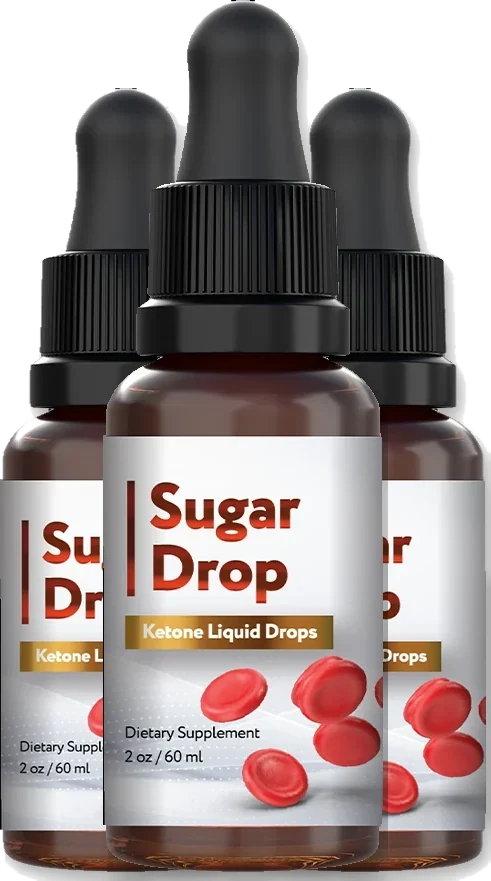
Chromium plus a 200 mg botanical blend in a once-daily liquid — every ingredient, amount and caveat laid out before you decide.
Check the Official Store