Blood Sugar Supplement Side Effects to Know
Quick Answer: What Side Effects Do Blood Sugar Supplements Cause?
The side effects of blood sugar supplements are mostly digestive, such as nausea, loose stools or cramping, and they are usually milder when taken with food. Some formulas also contain caffeine from green tea and guarana, which can cause jitteriness or disturbed sleep. The main thing to check is interactions: adding a glucose-supporting ingredient on top of glucose-lowering medication can push readings lower than intended, so talk to your doctor first. Most people tolerate these products well.
- Most common: stomach upset, nausea, loose stools — take with food to reduce it.
- Most overlooked: undisclosed caffeine from guarana and green tea.
- Most important: interactions with diabetes, blood-pressure and blood-thinning medication.
Why a "natural" formula can still cause effects
Plants are chemistry. A botanical extract concentrated into a dropper or a capsule is a delivery system for active compounds, and active compounds do things — sometimes the thing you wanted, sometimes something else. The word "natural" carries no safety information at all: caffeine, nicotine and digitalis are natural, and so is the licorice derivative sitting in more supplement blends than most buyers realise.
Two structural features of this category make effects harder to predict than they should be. The first is multiplicity: a single serving may carry twenty or more distinct botanicals and amino acids, so if something disagrees with you, identifying the culprit is guesswork. The second is opacity: proprietary blends disclose a total, not the individual amounts, so you cannot check whether the ingredient you react to is present in a trace or a meaningful quantity.
Set against that, the honest reassurance is that reported blood sugar supplements side effects are usually mild and dose-related, and that most people take these products without incident. The point of this article is not alarm; it is knowing what to look for, what to check on the label, and when to stop.
The blood sugar supplements side effects people actually report
Gastrointestinal complaints lead the list. Nausea, loose stools, cramping, gas and a heavy feeling in the stomach are the usual pattern, and they are consistently worse when a product is taken on an empty stomach. Mineral-containing formulas are particularly prone to it — chromium and zinc both cause nausea more readily without food. Berberine, when it appears, is the most notorious in this category for digestive upset because gram-scale doses are common.
Stimulant effects come next, and are frequently missed because nobody expects caffeine in a blood sugar product. Jitteriness, a faster heartbeat, anxiety, headache and poor sleep all point that way, particularly if the formula is taken in the afternoon or evening. Then there are the smaller nuisances: a metallic or bitter aftertaste with liquid formats, mild headaches in the first week, and occasional skin reactions in people who turn out to be sensitive to a specific plant — ragweed-family botanicals and ginseng are common culprits.
Sweeteners deserve a mention of their own. Liquid supplements are usually sweetened to be palatable, and sugar alcohols such as xylitol are a frequent choice; they can cause bloating and loose stools in people sensitive to them, entirely separately from the active ingredients. Xylitol is also seriously toxic to dogs, so a sweetened dropper bottle belongs in a cupboard, not on a low shelf.
Read the panel before you commit
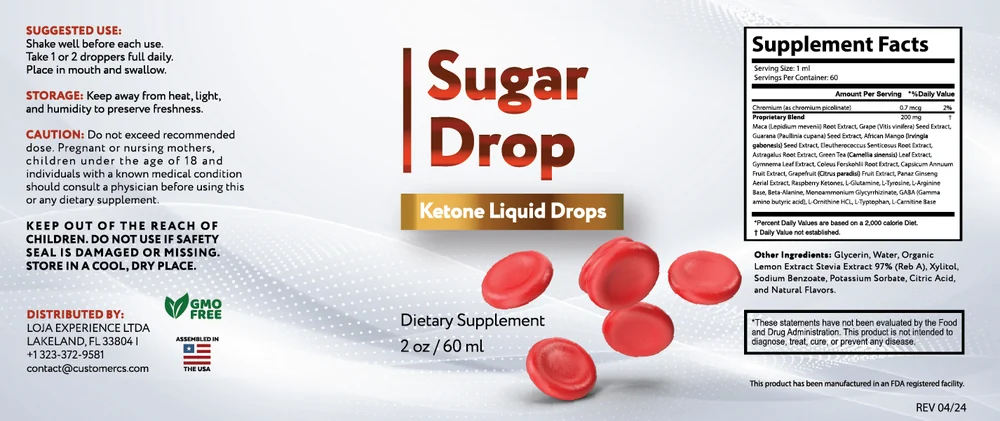
Tolerability starts with the ingredient list. If you are weighing up the best blood sugar supplement for your situation, Sugar Drop's full label — caution box included — is published, not summarised.
See the Official Sugar Drop OfferThe caffeine question, specifically
This one is worth isolating because it is the single most common unpleasant surprise. Many blood-sugar and metabolism formulas include guarana seed extract and green tea. Guarana is one of the most caffeine-dense plants used commercially; green tea contributes more on top. In Sugar Drop's case both appear inside the 200 mg proprietary blend, which means the caffeine content is real but unquantified — you cannot read the total off the label, because the label does not carry it.
For most people that is a non-issue at the amounts a small blend can hold. For a few it is not: people with anxiety, arrhythmia, reflux, insomnia or caffeine sensitivity, people already drinking several coffees a day, and anyone who takes their supplement in the evening. If that is you, the practical response is to take it in the morning, count it alongside your other caffeine sources, and watch your sleep for the first week — disturbed sleep is itself a factor in glucose regulation, which makes an evening dose quietly self-defeating.
Interactions that matter more than side effects
This is the section to read twice if you take medication. The core issue is additive effect: an ingredient that nudges glucose downward is doing the same job as your medication, and two things doing the same job can overshoot. Anyone on insulin, sulfonylureas or other glucose-lowering drugs should treat a new blood-sugar supplement as a change worth telling their prescriber about and monitoring more closely for the first few weeks.
Specific ingredients carry specific flags. Berberine affects liver enzymes that metabolise a long list of common drugs, which is why it interacts more broadly than most botanicals. Panax ginseng has documented interaction potential with anticoagulants and with glucose-lowering agents. Grape seed and other polyphenol-rich extracts are usually flagged for people on blood thinners. Green tea extract in concentrated form has been associated with liver enzyme changes in a small number of case reports, which is a reason to avoid stacking multiple green-tea-containing products.
One ingredient deserves a specific callout because it hides behind an unfamiliar name: monoammonium glycyrrhizinate, a licorice derivative used for sweetness and flavour, appears on plenty of supplement panels including this one. Glycyrrhizin compounds from licorice are documented to raise blood pressure and lower potassium when taken in high amounts over long periods. In a small blend the exposure is likely modest — but if you have hypertension, take a diuretic, or have been told to watch your potassium, it is a name worth recognising rather than skimming past.
Ingredient-by-ingredient: what to watch for
| Ingredient | Possible effect | Who should be extra careful | How well documented |
|---|---|---|---|
| Guarana / green tea (caffeine) | Jitteriness, raised heart rate, poor sleep | Caffeine-sensitive, anxiety, arrhythmia, evening dosing | Well documented |
| Chromium | Nausea on an empty stomach; rare reports at very high intakes | Anyone on glucose-lowering medication | Reasonably documented |
| Berberine (when present) | Digestive upset; broad drug-interaction potential | Anyone on regular medication | Well documented |
| Panax ginseng | Insomnia, headache; interaction potential | People on anticoagulants or diabetes medication | Documented in case reports and trials |
| Licorice-derived glycyrrhizinate | Raised blood pressure, lowered potassium at high long-term intake | Hypertension, diuretic users, kidney concerns | Well documented at high intakes |
| Xylitol and other sugar alcohols | Bloating, loose stools; toxic to dogs | People with IBS; households with pets | Well documented |
The question worth asking is not "does this have side effects" but "what is in it, at what amount, and does any of it argue with what I already take". A proprietary blend answers the first half of that question and refuses the second.
Who should not take one at all
Labels in this category converge on the same caution, and it is there for good reason: do not use if you are pregnant or nursing, do not give to children under 18, and consult a physician first if you have a known medical condition. Those are not legal boilerplate to skim — botanical blends have not been studied in pregnancy, and caffeine-bearing formulas are a poor fit for children under any circumstances.
Beyond the label, a few groups should be more cautious than the average buyer. People with a history of reacting badly to stimulants. People with liver or kidney conditions, since both organs handle whatever you swallow. Anyone taking thyroid medication, blood thinners, blood-pressure drugs or diabetes medication. Anyone about to have surgery, where supplements affecting glucose or clotting are typically stopped a couple of weeks beforehand. And anyone already taking a multivitamin, since minerals stack across products and upper limits apply to the total, not to each bottle separately.
How to start one and monitor sensibly
Most blood sugar supplements side effects that do occur are mild, dose-related and reversible on stopping, which is exactly why the way you begin matters. Start at the lowest amount the label allows rather than the maximum. With a dropper format that is genuinely easy — one dropper rather than two — and it gives you a week to find out whether your stomach objects before you commit to a full serving. Take it with food unless the label says otherwise; that single change prevents most of the nausea reports in this category. Take it in the morning if it contains caffeine-bearing botanicals.
Add one product at a time. Starting two supplements in the same week makes any reaction uninterpretable, and it is the most common reason people end up abandoning something that was not the problem. Keep a short note of anything you notice in the first fortnight — sleep, digestion, headaches, energy — because early impressions blur fast.
Know your stopping rules in advance. Stop and speak to a clinician if you get a rash, swelling or breathing difficulty, if you have persistent vomiting or severe abdominal pain, if you notice yellowing of the skin or eyes or unusually dark urine, or if your glucose readings drop lower than expected. And if you take medication, tell your prescriber you have started — not because a supplement is likely to cause a crisis, but because a doctor adjusting a dose needs to know everything you are taking. Our piece on what the trials show covers how to judge whether it is doing anything worth the trouble.
What the safety data cannot tell you
Be clear about the limits of everything above. Supplements do not go through pre-market safety and efficacy approval the way medicines do, so there is no equivalent of a drug label's tabulated adverse-event rates. Reporting is voluntary and heavily under-used, which means the absence of reports for an ingredient is weak evidence of safety rather than strong evidence. Trials in this category are usually short, so long-term tolerability is largely unstudied.
Proprietary blends add a second layer of unknowns. Without amounts, no one outside the manufacturer can say whether an ingredient is present at a level capable of causing an effect. That cuts both ways: it also means confident claims that a blend is "too small to matter" are equally unverifiable. Interaction risk is likewise theoretical rather than measured for most botanical-drug pairs, because the studies simply have not been done.
What follows from that is a posture, not a verdict. Assume mild effects are possible, take the label caution seriously, involve your prescriber if you take anything regularly, and treat any product — whether you found it hunting for the best over the counter blood sugar supplement or it arrived by recommendation — as something to trial deliberately and stop without hesitation if it does not agree with you. Where a formula fits alongside diet and activity is covered in our guide to lowering blood sugar naturally.
Medical note: this article is general information, not medical advice, and it is not a complete list of possible effects or interactions. Speak to a healthcare professional before starting any supplement, especially if you have diabetes, take glucose-lowering, blood-pressure or blood-thinning medication, are pregnant or nursing, or are scheduled for surgery.
Frequently asked questions
What are the most common blood sugar supplement side effects?
Digestive complaints come first: nausea, loose stools, cramping or a heavy stomach, usually worse when a product is taken without food. Caffeine-related effects are next, because many formulas include green tea and guarana, which can cause jitteriness, a raised heart rate and disturbed sleep. Headaches, an unpleasant aftertaste and skin reactions in people sensitive to a specific botanical are also reported.
Can a blood sugar supplement make blood sugar go too low?
On its own this is unlikely, because the effects seen in research are small. The real concern is additive: if you already take insulin or another glucose-lowering medication and add an ingredient that nudges glucose downward, the combination can push readings lower than intended. That is why anyone on medication should clear a new supplement with their prescriber and monitor more closely at the start.
Does Sugar Drop contain caffeine?
Yes. The label's 200 mg proprietary blend includes guarana seed extract and green tea, both of which contain caffeine. Because the blend is proprietary, the exact caffeine amount is not disclosed anywhere on the panel. If you are caffeine-sensitive or take it late in the day, that is worth knowing before you buy.
Who should avoid blood sugar supplements entirely?
Labels in this category typically say not to use them if you are pregnant or nursing, under 18, or have a known medical condition without consulting a physician first. Anyone taking glucose-lowering, blood-pressure, blood-thinning or thyroid medication should speak to their prescriber before starting, and anyone with a history of reacting to stimulants or to a specific botanical should check the full ingredient list rather than the headline ingredients.
How can I reduce stomach upset from a blood sugar supplement?
Take it with food, since digestive effects such as nausea or loose stools tend to be worse on an empty stomach.
Scientific references
- NIH Office of Dietary Supplements — Dietary Supplements: What You Need to Know
- NIH NCCIH — Licorice Root: safety, glycyrrhizin and blood pressure
- PubMed — indexed research on herb–drug interactions and hypoglycaemia
- Mayo Clinic — Caffeine: how much is too much
- Harvard T.H. Chan School of Public Health — The Nutrition Source: Caffeine
See the full label before you decide
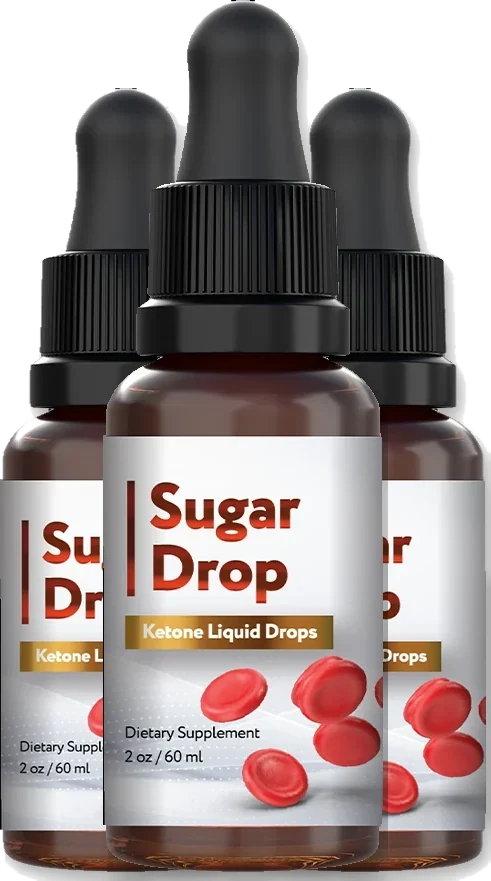
Every ingredient, the caution box and the 60-day manufacturer window — so you can judge tolerability before you commit to a bottle.
Check the Official Store