Berberine vs Metformin: What the Research Says
Quick Answer: Is Berberine as Good as Metformin?
Berberine vs metformin looks close on paper in several small trials: both lowered fasting glucose and A1c by broadly similar amounts over a few months, and both act partly through the AMPK energy pathway. Metformin is a licensed medicine with large, long-term outcome data, while berberine is a supplement with shorter studies. They are different products, so any change to your medicine should be made with your doctor.
- Efficacy: berberine shows a real glucose signal; A1c fell ~0.8–1.2% in some head-to-head trials.
- Mechanism: both influence AMPK, the cell's fuel-sensing switch.
- Status: metformin is a regulated drug; berberine is a dietary supplement — never stop a prescription without your clinician.
If you have spent any time reading about blood sugar online, you have met the claim: berberine is "nature's metformin." It is one of the most-searched comparisons in the whole supplement world, and it is easy to see why. Metformin is the first-line medication for type 2 diabetes for tens of millions of people, and berberine is a yellow plant compound you can buy without a prescription that keeps turning up in studies with surprisingly similar-looking numbers. So the honest question — berberine vs metformin, which actually works, and is one a safe substitute for the other — deserves a calm, evidence-first answer rather than a slogan.
This article walks through what the research genuinely shows, where the comparison holds up, and where it quietly falls apart. We will not tell you a supplement is a drug, and we will not tell you to touch your prescription. What we will do is give you the context to have a better conversation with the person who manages your care.
Berberine vs metformin: what each one actually is
Start with the categories, because they matter more than any single result. Metformin is a pharmaceutical drug. It has been through decades of large, controlled trials, it has standardised doses printed on a prescription, it has known contraindications, and it is manufactured to pharmaceutical-grade consistency so that every tablet contains what the label says. When a doctor prescribes it, they are drawing on an enormous body of long-term outcome data — not just glucose numbers, but cardiovascular events and mortality tracked over years.
Berberine is a bioactive compound extracted from plants such as Berberis (barberry), goldenseal and Oregon grape. In the United States and most of the world it is sold as a dietary supplement, which means it does not go through pre-market approval for safety or efficacy. Its studies are real, but they are typically small, short and clinically heterogeneous — different doses, different populations, different quality. And because it is a supplement, the amount and purity in any given bottle depend entirely on the manufacturer, not on a regulator.
That single distinction reframes the whole comparison. Asking whether berberine is "as good as" metformin is a bit like comparing a well-reviewed home remedy to a tested tool: the remedy may genuinely help, but you cannot assume the same reliability, the same dose accuracy, or the same depth of evidence.
The shared mechanism: why the comparison exists at all
The reason berberine vs metformin is even a plausible pairing comes down to biochemistry. Both are thought to activate an enzyme called AMP-activated protein kinase — AMPK — which acts as a kind of master fuel-sensing switch inside cells. When AMPK is switched on, cells tend to take up more glucose, the liver releases less stored sugar, and insulin sensitivity improves. Metformin's glucose-lowering effect is attributed in large part to this pathway, and berberine appears to nudge the same switch.
That overlap is genuinely interesting, and it is the legitimate scientific kernel underneath the marketing. But "acts on the same pathway" is not the same as "produces the same clinical result at the same reliability." Aspirin and fish oil both influence clotting; nobody treats them as interchangeable. Mechanism explains why an effect is plausible. Only outcome data tells you how big and how dependable that effect is — and that is where the two part ways.
Prefer a blend approach to a single herb?
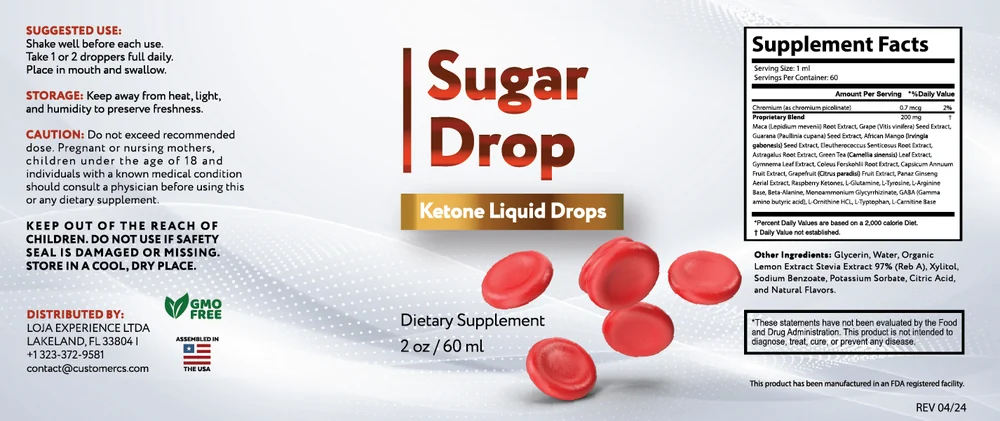
Sugar Drop is not a berberine product — it is a liquid dropper that pairs declared chromium with a botanical blend of gymnema, green tea, African mango, maca and ginseng, built for everyday blood-sugar and sugar-craving support. If you want the full label before you decide, it is published in plain sight.
See the Official Sugar Drop OfferWhat the research shows on A1c and fasting glucose
Here is the part that fuels the hype, presented honestly. A number of small randomised trials, several conducted in China and pooled in later meta-analyses, have compared berberine directly against metformin in people with type 2 diabetes or metabolic syndrome. In these studies berberine produced meaningful reductions in fasting blood glucose, post-meal glucose and A1c — with A1c falling by roughly 0.8 to 1.2 percentage points in some of them, a range that overlaps with what metformin achieved in the same trials.
Read at face value, that is a striking result, and it is why berberine earned its reputation. But the caveats are not footnotes; they are the story. The trials are small, often only dozens of participants. They are short, usually a few weeks to a few months, so they say nothing about whether the effect holds for years. Many were of modest methodological quality, and the pooled analyses that combine them carry that weakness forward. Crucially, none of this berberine research measures the long-term outcomes — heart attacks, strokes, survival — that metformin's reputation is actually built on.
So the fair summary is this: berberine shows a real, repeatable glucose-lowering signal in short studies, and that signal is large enough to be interesting. It has not been shown to be equivalent to metformin, because the evidence needed to prove equivalence — large, long, high-quality, outcome-based — simply has not been done. A promising signal and a proven medicine are two different things, and honest coverage keeps them apart. Our broader review of whether blood sugar supplements actually work puts these effect sizes in context against the rest of the category.
Berberine vs metformin at a glance
| Berberine | Metformin | |
|---|---|---|
| Regulatory status | Dietary supplement (no pre-market approval) | Licensed prescription medicine |
| Evidence base | Small, short trials; some head-to-head data | Decades of large trials, incl. long-term outcomes |
| Reported A1c effect | ~0.8–1.2% in some studies | Well-established, comparable range |
| Main mechanism | AMPK activation (among others) | AMPK activation, reduced liver glucose output |
| Hypoglycaemia alone | Uncommon on its own | Uncommon as monotherapy |
| Common downside | Digestive upset; variable product quality | Digestive upset; rare lactic acidosis in kidney impairment |
| Dose consistency | Varies by brand | Standardised and regulated |
Objection 1: "So berberine is basically natural metformin, right?"
This is the most common belief, and it is half true in a way that makes it more misleading than a clean falsehood. Yes, they share a mechanism and show overlapping short-term glucose numbers. No, that does not make berberine a natural version of the drug. The phrase "natural metformin" smuggles in the drug's entire reputation — its regulation, its manufacturing consistency, its long-term safety and outcome data — and attaches it to a supplement that has earned none of that. A shared pathway is a reason to be curious, not a licence to treat the two as interchangeable.
Objection 2: "Can I just replace my metformin with berberine?"
Please do not do this on your own. This is the single most important point in the article. Metformin is prescribed for a reason, and stopping or substituting it without medical guidance can allow blood glucose to climb unchecked, which carries real consequences. Berberine is not manufactured, dosed or monitored to the standard your medication is, and no reputable source recommends swapping one for the other unsupervised.
If your genuine goal is to reduce or eventually come off a medication, that is a legitimate conversation — but it is one to have with your prescriber, guided by your own glucose readings, lifestyle changes and regular monitoring. Some clinicians are open to discussing supplements as part of a wider plan. The right move is to bring the question to them, not to quietly experiment with your own prescription.
Objection 3: "Can I take berberine and metformin together?"
Some people do combine them, and it can be done, but only under medical supervision — and it is worth understanding why supervision matters here specifically. Because both lower glucose, taking them together is additive, and additive glucose-lowering is exactly the scenario where readings can drop lower than intended. On its own, berberine rarely causes hypoglycaemia; stacked on top of a medication that is already doing the same job, the arithmetic changes.
The side-effect profiles also overlap in an inconvenient way: both are notorious for digestive upset, so combining them can compound nausea, cramping and loose stools rather than cancelling them out. And berberine affects liver enzymes that metabolise a long list of other medicines, which is a separate reason your prescriber needs to know. The safe rule is simple: introduce one thing at a time, tell the person who manages your prescription, and monitor more closely at the start. Our guide to blood sugar supplement side effects and tolerance covers how to start a new supplement sensibly and what warning signs mean stop.
The safety differences that don't make headlines
Efficacy gets the attention; safety is where the categories really diverge. Metformin's risks are well characterised: mostly digestive side effects that often settle with time or a slow-release formulation, and a rare but serious risk of lactic acidosis in people with significant kidney impairment, which is why kidney function is checked before and during use. Because it is a regulated drug, those risks are documented, dose-related and predictable.
Berberine's risks are shaped by its supplement status. It very commonly causes gastrointestinal upset — cramping, diarrhoea, constipation — particularly at the gram-scale doses used in studies. It affects the same liver enzyme systems (including CYP-family enzymes) that process many prescription drugs, giving it a broad interaction potential that is easy to underestimate. It is not recommended in pregnancy or breastfeeding, and there are specific cautions around newborns. And because supplements are not tested before sale, the gap between the dose on the label and the dose in the capsule is a real variable that differs brand to brand.
The useful question is not "which is stronger" but "which has earned my trust for my situation." A short trial can show a signal; only regulation, consistency and years of data earn the trust a prescription carries.
Where a blend like Sugar Drop fits — and where it doesn't
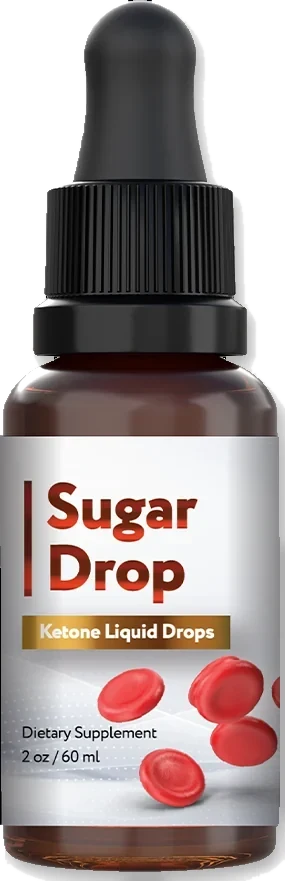
If you have read this far, you are probably weighing your options for daily blood-sugar support. It is worth being clear about what Sugar Drop is and is not, because honesty is the whole point of a comparison article. Sugar Drop is not a berberine product and does not claim to be. It is a liquid dropper that pairs a declared amount of chromium — a trace mineral involved in carbohydrate metabolism — with a 200 mg botanical blend of gymnema, green tea, African mango, maca and panax ginseng, aimed at everyday support and sugar cravings rather than at replacing anything.
Why mention it in a berberine article at all? Because many people researching "berberine vs metformin" are really asking a broader question: what natural approach can I layer on top of the basics of diet, movement and, where prescribed, medication? Some prefer a single well-studied compound like berberine. Others prefer a gentler blend that leads with a mineral that has direct glucose research behind it and rounds it out with botanicals traditionally used around metabolism. Neither is a cure, neither replaces a drug, and both belong in a plan you have discussed with a clinician. The advantage of a transparent product is that you can read the full label and judge for yourself.
Medical note: this article is general information, not medical advice, and it is not a recommendation to start, stop, change or combine any medication or supplement. Never discontinue prescribed medication such as metformin without guidance from your prescriber. Speak to a healthcare professional before starting berberine or any supplement, especially if you have diabetes, kidney or liver conditions, are pregnant or nursing, or take other medication.
Frequently asked questions
Is berberine as effective as metformin?
Several small trials have compared the two and reported broadly similar reductions in fasting glucose and A1c over a few months, with A1c falling by roughly 0.8 to 1.2 percent in some studies. That looks impressive, but the trials are short, small and of varying quality, so the honest reading is that berberine shows a genuine glucose-lowering signal, not that it has been proven equivalent to a medicine tested in large regulated trials over years.
Can berberine replace metformin?
No one should treat berberine as a swap for a prescribed medication. Metformin is a licensed drug with decades of safety and outcome data; berberine is a dietary supplement that is not manufactured, dosed or regulated to the same standard. If your goal is to reduce or stop a medication, that is a decision to make with your prescriber based on your own readings, never something to do by quietly substituting a supplement.
Can I take berberine and metformin together?
Some people do, but it should only happen with medical supervision. Both lower glucose, so combining them is additive and can push readings lower than intended, and both commonly cause digestive upset, which can stack. Your prescriber may want to monitor your glucose more closely at the start. Never add berberine on top of metformin without telling the person who manages your prescription.
What are the safety differences between berberine and metformin?
Metformin has a well-characterised safety profile, standardised dosing and known contraindications, mainly digestive side effects and rare lactic acidosis risk in kidney impairment. Berberine rarely causes hypoglycaemia on its own but frequently causes stomach upset, affects liver enzymes that metabolise many drugs, and is not recommended in pregnancy. Because supplements are not tested pre-market, berberine product quality and dose accuracy also vary between brands.
How are berberine and metformin similar?
Both influence AMPK, the cell’s fuel-sensing switch, and both lowered fasting glucose and A1c by broadly similar amounts in several small trials.
Related reading
Scientific references
- NIH NCCIH — Berberine: what the science does and doesn't show
- PubMed — indexed trials comparing berberine and metformin
- NIH NIDDK — Type 2 diabetes and metformin in prevention and management
- NIH Office of Dietary Supplements — Dietary Supplements: What You Need to Know
- U.S. FDA — Questions and answers on dietary supplements and regulation
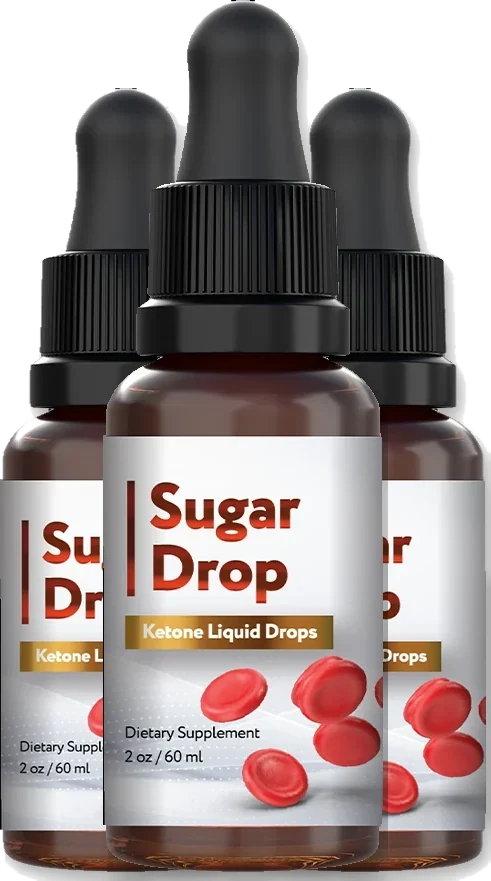
See the full Sugar Drop label before you decide
Declared chromium, the 200 mg botanical blend and a 60-day manufacturer money-back window — a transparent blend alternative to single-herb pills, with the label published so you can judge it yourself.
Check the Official Store