Berberine for Weight Loss and Blood Sugar
Quick Answer: Does Berberine Work for Weight Loss?
Berberine for weight loss works best as a gradual helper, since its main job is steadying blood sugar and improving insulin sensitivity. That steadier pattern tends to quiet cravings and afternoon hunger after four to eight weeks. Any weight change is slow and goes best alongside good food choices and regular movement.
- Mechanism: weight effects flow from steadier blood sugar, not fat-burning.
- Timeline: quieter cravings and hunger often after four to eight weeks.
- Reality check: modest results, and not a substitute for medication.

Few supplement searches have exploded like this one. Berberine for weight loss now pulls around 40,500 searches a month, competition is high, and the trend is still climbing — driven largely by a viral nickname that oversells what the ingredient does. This article takes the honest path instead: what berberine can and cannot do for your weight, how its effect is routed entirely through blood sugar and insulin, what real users tend to notice, and where a blood-sugar-first formula like Sugar Drop fits into all of it. No hype, no drug comparisons that do not hold up.
The reason this matters is simple. People who arrive expecting a weight-loss miracle almost always leave disappointed, while people who understand the actual mechanism tend to get real, if modest, value. The difference is expectation, and expectation starts with the truth.
Why "berberine for weight loss" is everywhere right now
The surge is not driven by a new study. It is driven by social media, where berberine got rebranded as an accessible, over-the-counter answer to the GLP-1 drugs dominating headlines. That framing spread fast because it is emotionally appealing: a plant compound you can buy without a prescription, promising a slice of what the injectables deliver. The problem is that the framing is wrong at the root, and building your expectations on it guarantees a letdown. Before going further, it is worth grounding yourself in the actual, evidence-backed berberine supplement benefits for blood sugar, because the weight-loss conversation only makes sense once you understand what berberine really does.
The "nature's Ozempic" claim, examined honestly
Let us address the nickname head-on, because it is the single biggest source of confusion in this topic. Ozempic and similar GLP-1 medications are prescription drugs with powerful, thoroughly documented effects on appetite and weight. They mimic a gut hormone, act on specific receptors, and produce results measured in studies designed to support medical claims. Berberine does none of that. It is a dietary supplement that works through the AMPK energy pathway, its effects on weight are far smaller and slower, and it has never been shown to rival a GLP-1 drug.
Calling berberine "nature's Ozempic" is not a helpful shorthand — it is a category error. Berberine is not a drug, is not a substitute for one, and cannot legally or honestly be positioned to treat obesity or any disease. If you take away one thing from this section, make it this: judge berberine on its own modest, legitimate merits, and disregard any comparison that promises drug-like results from a supplement. The most useful expectation is a small, steady assist — not a transformation.
Want blood-sugar-first support, honestly framed?
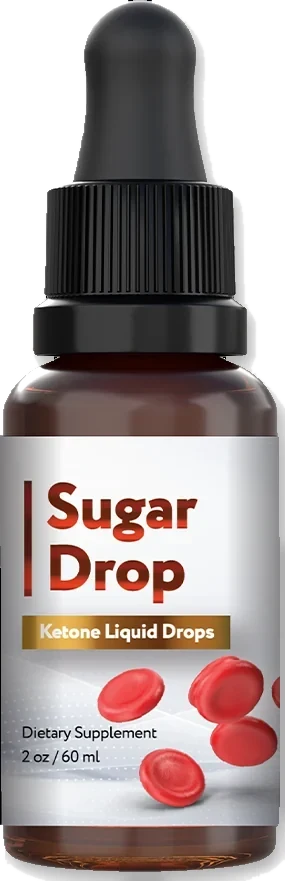
Sugar Drop is built around steadier blood sugar and insulin sensitivity — the mechanism any real berberine weight effect actually runs through — in one convenient daily dose.
See the Official Sugar Drop OfferHow berberine actually influences weight: through blood sugar
Here is the mechanism that the viral version skips. Berberine's weight-related effects are a downstream consequence of what it does to glucose and insulin, not a separate fat-burning power. When berberine activates AMPK and improves insulin sensitivity, blood sugar becomes steadier — fewer sharp spikes after meals, fewer hard crashes an hour or two later. And those crashes are a major, under-appreciated driver of eating. The energy dip that sends you hunting for a mid-afternoon snack, the sudden craving for something sweet at 4pm — a lot of that is a blood-sugar swing, not true hunger.
Smooth out the swings and the cravings quiet down on their own. Eat a little less without white-knuckling it, and modest weight change can follow. That is the entire causal chain, and it explains why berberine's weight effects are real but small, and why they are inseparable from its glucose effects. It also explains the timeline: because this works by gradually improving insulin sensitivity rather than by suppressing appetite overnight, patience is required. Our breakdown of how long berberine takes to lower blood sugar applies directly here, because the same weeks-long window governs when cravings start to ease.
What real users tend to report
Set the scale aside for a moment, because the most consistent feedback is not about weight at all. People taking berberine consistently for four to eight weeks most often describe two changes: quieter sugar cravings, and less of that late-afternoon energy slump that ends in a snack. Some also report feeling full a little sooner. Notice what these have in common — they are all appetite and energy signals, exactly what you would expect from steadier blood sugar, and none of them is a direct fat-loss claim.
This matters for two reasons. First, it tells you what a realistic "win" looks like early on: not a number on the scale in week one, but a genuinely easier relationship with cravings by week six. Second, it explains how the modest weight change actually happens — not through a metabolic magic trick, but through eating slightly less because the physiological push to overeat has softened. That is an unglamorous mechanism, and it is exactly why it is believable.
A realistic way to use it, if you decide to
If the honest version still appeals to you, treat berberine like an experiment rather than a hope. Change one thing at a time: starting a supplement the same week you overhaul your diet guarantees you will never know which one did the work. Give it a genuine eight-to-twelve-week run, because that is the window in which insulin sensitivity actually shifts and cravings settle. Take it consistently, ideally with meals, and pair it with the habits that do the heavy lifting — protein at breakfast, a short walk after your largest meal, and enough sleep, since a couple of bad nights blunt insulin sensitivity faster than any capsule can restore it. Then judge the result on how your cravings and energy feel, not only on the scale, and decide in advance what outcome would make you continue or stop.
Objection: "So how much will I actually lose?"
The honest answer is: modest amounts, over months, if it works for you at all. In studies, the weight changes associated with berberine are small and are tightly linked to improved insulin sensitivity rather than to any direct fat-burning effect. Anyone promising you a specific number of pounds is selling, not informing. The sober framing is that berberine can make healthy habits a little easier to sustain, and that the bulk of any real result will come from the diet and movement it sits on top of — not from the capsule or dropper itself. If that sounds underwhelming, it is also honest, and honesty is what protects you from a wasted purchase.
Objection: "Can it replace my medication?"
No — and this is the most important boundary in the entire topic. Berberine is not a substitute for any prescribed medication, whether for blood sugar, weight, cholesterol or anything else. Stopping or reducing a prescription because you started a supplement is genuinely dangerous. Berberine can also interact with glucose-lowering, blood-pressure and blood-thinning drugs, because it affects the same liver enzymes many medications depend on, so your clinician needs to know if you take it. People sometimes ask how berberine measures up to prescription options; our piece on what the research shows on berberine versus metformin lays out where the comparison is interesting and where it stops — and it stops well short of "swap one for the other."
The smarter frame: blood-sugar-first with Sugar Drop
Put all of this together and a cleaner strategy emerges. If berberine's weight benefits are simply a byproduct of steadier blood sugar, then the honest and effective approach is to pursue blood-sugar support first and treat any weight change as a welcome bonus. That reframing does two useful things: it sets expectations you can actually meet, and it points you toward the mechanism that does the real work.
That is precisely how Sugar Drop is positioned. It is a blood-sugar-first formula — berberine-family metabolic support delivered as a single convenient daily dose — rather than a weight-loss product making claims it cannot back. Choosing it means you are buying the mechanism, not the marketing: steadier glucose and better insulin sensitivity, from which quieter cravings and modest weight change may follow. If you want to compare it against other options on the objective criteria that matter, our guide to choosing the best berberine supplement for blood sugar in 2026 walks through dose, purity and value so you can decide with your eyes open.
None of this is a promise of weight loss, and it should not be read as one. It is a promise of honesty about a genuinely useful ingredient — and for most people, honesty is worth more than another viral claim that ends in disappointment.
Medical note: this article is general information, not medical advice, and berberine is not a weight-loss drug or a treatment for any condition. It can interact with glucose-lowering, blood-pressure and blood-thinning medications. Talk to a healthcare professional before starting it, and do not use it if you are pregnant or nursing.
Frequently asked questions
Does berberine actually help with weight loss?
Berberine can support modest weight change, but not the way a diet drug does. Its main effect is on blood sugar and insulin sensitivity, and improved insulin sensitivity often makes appetite and cravings easier to manage. Many users report quieter sugar cravings and less late-afternoon hunger after four to eight weeks. Any weight change is gradual, modest, and works best alongside diet and activity rather than instead of them.
Is berberine really 'nature's Ozempic'?
No, and the nickname is misleading. Ozempic is a prescription GLP-1 medication with powerful, well-documented effects. Berberine is a dietary supplement that works through the AMPK energy pathway, and its effects on weight are far smaller and slower. Berberine is not a drug, is not a substitute for one, and should never replace a medication your clinician has prescribed.
How much weight can you realistically lose with berberine?
Realistically, modest amounts over months, not dramatic drops in weeks. In studies, weight changes tied to berberine tend to be small and are closely linked to improved insulin sensitivity and reduced cravings rather than to a direct fat-burning effect. Treat it as a support that makes healthy habits a little easier, and expect the biggest results from the diet and movement it sits on top of.
Can I take berberine for both weight and blood sugar support?
Yes, and that dual role is exactly where berberine fits best. Because its weight-related effects flow from steadier blood sugar and better insulin sensitivity, a blood-sugar-first supplement like Sugar Drop supports both goals through the same mechanism. Speak with a clinician first if you take any medication, and view any weight benefit as a bonus on top of the metabolic support.
How long does berberine take to work for appetite?
Quieter cravings and hunger often show up after four to eight weeks. Weight change is gradual and works best together with diet and movement.
Scientific references
- PubMed — berberine, body weight and insulin resistance
- NIH NCCIH — Diabetes and Dietary Supplements: What the Science Says
- PubMed — berberine, AMPK activation and glucose metabolism
- Harvard T.H. Chan School of Public Health — Carbohydrates and Blood Sugar
- Mayo Clinic — berberine: uses, evidence and interactions
Related reading
Buy the mechanism, not the marketing
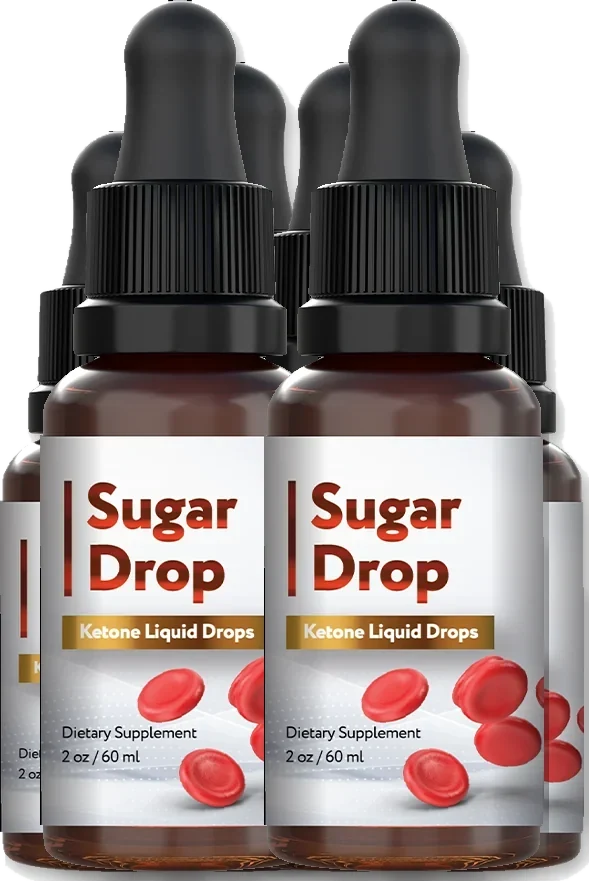
Blood-sugar-first support in one daily dose, a published Supplement Facts panel, and a 60-day window from the manufacturer.
Check the Official Store