Berberine and Ceylon Cinnamon for Blood Sugar
Quick Answer: Why Pair Berberine and Ceylon Cinnamon?
Berberine and Ceylon cinnamon are a popular pair because the two ingredients support glucose from different directions. Cinnamon may slow how fast a meal is digested and absorbed, softening the post-meal spike, while berberine works inside cells on the AMPK pathway to improve how glucose is used. Ceylon (true) cinnamon is preferred over cassia because it contains far less coumarin.
- Absorption side: Ceylon cinnamon may slow gastric emptying and blunt spikes.
- Utilisation side: berberine acts on cellular AMPK to help cells use glucose.
- Safety: choose Ceylon over cassia; typical study range is 1–6 g cinnamon per day.

Scroll through any blood-sugar forum and you will find the same duo recommended again and again: berberine and Ceylon cinnamon. It is one of the most searched combinations in natural glucose support, and unlike a lot of supplement pairings, the logic behind it is actually coherent. The berberine Ceylon cinnamon stack is built on the idea that two ingredients working on different parts of the glucose journey should, in theory, add up to more than either alone. This article explains that logic honestly — where it is well founded, where the evidence is thinner than the enthusiasm, and the one safety detail about cinnamon that far too few people know.
We will keep the claims measured. No supplement is a cure, none of this replaces medication or a sensible diet, and the strongest thing that can honestly be said about most of these ingredients is "modest and promising." But "modest and promising" is still worth understanding properly before you spend money on it.
Why berberine and Ceylon cinnamon are paired for blood sugar
The best combinations in nutrition are the ones where two ingredients do genuinely different jobs, and that is the case here. Think of a meal's effect on blood sugar as a two-stage process. First, carbohydrates are broken down and absorbed from the gut into the bloodstream — the arrival. Second, the body has to move that glucose out of the blood and into cells to be used or stored — the clearance. A supplement that only touched one stage would leave the other untouched. Pairing ingredients that each target a different stage is the whole rationale.
Ceylon cinnamon is associated primarily with the arrival stage. Some research suggests cinnamon compounds can slow gastric emptying — how quickly food leaves the stomach — and may interfere with certain digestive enzymes that break carbohydrates down. The practical hope is a gentler, flatter rise in glucose after eating rather than a sharp spike and crash. Berberine, by contrast, is a clearance-stage ingredient: it acts inside cells, largely through AMPK activation, to improve insulin sensitivity and how efficiently glucose is taken up and used. One works on the front door; the other works on what happens once sugar is inside.
Two angles on the same problem: absorption and utilisation
This is the part worth sitting with, because it is the honest core of why the pairing makes sense. If you have ever noticed the mid-afternoon slump — a big lunch, a sharp rise, then a crash and a fresh craving a couple of hours later — you have felt the absorption problem. Anything that flattens the initial spike smooths that curve. That is the niche where cinnamon's slowed-absorption effect is meant to help, and it is a per-meal effect: it acts on the meal you take it with.
Berberine's contribution is different in both mechanism and timing. It does not blunt a single meal so much as gradually shift how the whole system handles glucose, which is why its studied effects show up over weeks, not minutes. Combining a fast, meal-level effect with a slow, system-level effect is genuinely complementary in principle. The honest caveat is that while each ingredient has its own body of research, rigorous trials of this exact two-ingredient pairing are limited — so the synergy is well reasoned rather than heavily proven. For a wider view of how ingredients like these stack up when you are shopping, our buyer's guide to supplements that support lower blood sugar is a useful companion.
Want a ready-made daily blend instead of stacking capsules?
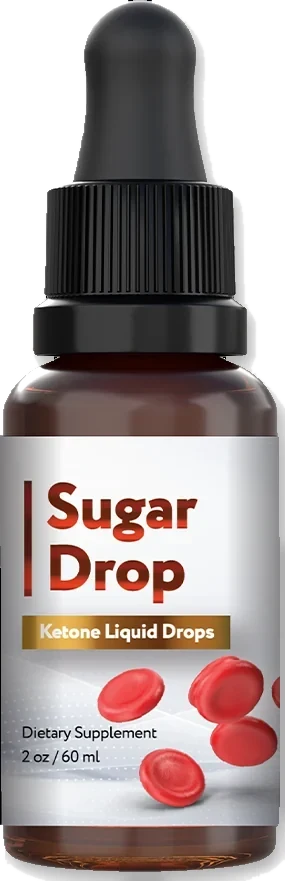
Sugar Drop is not a berberine-and-cinnamon product — it is a liquid dropper pairing declared chromium with a synergistic botanical blend of gymnema, green tea, African mango, maca and ginseng. If a single once-a-day formula appeals more than juggling separate bottles, the full label is published for you to check.
See the Official Sugar Drop OfferThe cinnamon detail almost nobody mentions: Ceylon vs cassia
Here is the single most important safety point in this article, and it is the reason the word "Ceylon" is in the title rather than just "cinnamon." Not all cinnamon is the same plant. The cheap, strong-flavoured cinnamon in most supermarket jars is cassia cinnamon, usually from Cinnamomum cassia. Ceylon cinnamon, sometimes called "true cinnamon," comes from Cinnamomum verum and is milder, more delicate and more expensive.
The difference matters because of a compound called coumarin. Cassia cinnamon contains substantial amounts of coumarin, which in high, sustained intakes can be harmful to the liver in sensitive individuals. Ceylon cinnamon contains only trace amounts. If you are sprinkling cinnamon on porridge once in a while, this is academic. But the whole point of a blood-sugar supplement is daily, ongoing use — and daily cassia at a meaningful dose is exactly the scenario where coumarin intake can add up. That is why anyone taking cinnamon regularly for glucose support should specifically choose Ceylon, and why "just buy cinnamon capsules" is not neutral advice.
Ceylon vs cassia cinnamon at a glance
| Ceylon (true) cinnamon | Cassia cinnamon | |
|---|---|---|
| Source plant | Cinnamomum verum | Cinnamomum cassia (and relatives) |
| Coumarin content | Very low (trace) | High |
| Best for daily use | Yes — lower liver risk | Occasional use only |
| Flavour | Mild, delicate | Strong, spicy |
| Typical price | Higher | Lower (most supermarket cinnamon) |
| Blood-sugar evidence | Modest and mixed for cinnamon overall; safety favours Ceylon for ongoing use | |
How much cinnamon is safe to take daily?
Studies looking at cinnamon and blood sugar have generally used somewhere between 1 and 6 grams per day. With Ceylon cinnamon, the very low coumarin content means that range is usually well tolerated for ongoing use. With cassia, the calculation is different: because coumarin is concentrated, even a couple of grams a day can approach the intake levels of concern for some people over time, particularly those with existing liver considerations.
The sensible framing is not "how much can I get away with" but "the smallest amount that helps." More cinnamon is not better, and megadosing any single ingredient is where problems begin. If you take it as part of a combination product, the amount is set for you — which is one advantage of a formulated blend over free-pouring spice into a smoothie. And if you already take glucose-lowering medication, adding a meaningful daily dose of any glucose-affecting ingredient is a change worth flagging to your prescriber, for the same additive-effect reasons that apply to any blood-sugar support you layer on top.
Myth check: "if a little helps, the combo works overnight"
This is the expectation that leads to the most disappointment, so it is worth dismantling directly. The two ingredients work on different timescales. Cinnamon's slowed-absorption effect is a per-meal phenomenon — it acts on the food you eat around the same time. Berberine's cellular effects accumulate gradually and are studied over weeks. Put them together and you get a plausible short-term nudge plus a slower-building shift, but you do not get an overnight transformation, and you certainly do not get anything that lowers a genuinely high reading the way medication does.
A realistic trial is eight to twelve weeks, taken consistently, alongside the things that actually move the needle most: what you eat, how much you move, and how well you sleep. The supplement is the supporting act, not the headline. Judge it by your own readings over that window, not by how you feel on day three. Our piece on how to lower blood sugar naturally and where supplements fit lays out the diet-and-movement foundation these ingredients are meant to support rather than replace.
A good combination is not two ingredients that do the same thing louder. It is two ingredients that do different things, at a sensible dose, inside a plan you would follow anyway.
Where a blend like Sugar Drop fits — honestly
If a two-bottle berberine-and-Ceylon-cinnamon routine feels like a lot of pill-counting, you may be drawn to an all-in-one product. It is worth being straight about what Sugar Drop actually is, because we would rather keep your trust than win a click. Sugar Drop is not a berberine or cinnamon supplement. It is a liquid dropper that pairs a declared amount of chromium — a trace mineral with direct blood-sugar research — with a 200 mg botanical blend of gymnema, green tea, African mango, maca and panax ginseng.
The reason it belongs in this conversation is that it shares the same design philosophy as the berberine-cinnamon pairing: address glucose from more than one angle rather than betting on a single compound. Gymnema is studied around sugar cravings and glucose handling; chromium is involved in carbohydrate metabolism; the rest round out the blend. What it is not is a cure, and it is a proprietary blend, so the per-ingredient amounts inside the 200 mg are not disclosed — a genuine limitation we would rather name than hide. If you prefer a single daily liquid to stacking capsules, it is an option worth weighing; if you specifically want berberine and Ceylon cinnamon, buy those, correctly, as described above.
Medical note: this article is general information, not medical advice. Cinnamon and berberine can both affect blood glucose, so speak to a healthcare professional before combining them or adding either to your routine — especially if you have diabetes, liver conditions, take glucose-lowering or other medication, or are pregnant or nursing. Choose Ceylon cinnamon for regular use and never exceed label directions.
Frequently asked questions
Why take berberine with Ceylon cinnamon?
The appeal is that they work on glucose from different angles. Ceylon cinnamon may slow how quickly the stomach empties and how fast carbohydrates are absorbed, which can blunt the post-meal spike, while berberine acts inside cells on the AMPK pathway to improve how glucose is taken up and used. Pairing an absorption-side effect with a utilisation-side effect is the logic behind the combo, though head-to-head trials of the exact pairing are limited.
Is Ceylon cinnamon better than regular cinnamon for blood sugar?
For regular use, Ceylon cinnamon (true cinnamon) is generally the safer choice because it contains far less coumarin than cassia, the common supermarket cinnamon. Coumarin can be harmful to the liver in high, sustained amounts, so if you plan to take cinnamon daily, Ceylon lowers that risk. The blood-sugar evidence is modest for cinnamon in general, but on safety grounds Ceylon is preferable for ongoing supplementation.
How much cinnamon is safe to take daily?
Studies on cinnamon and blood sugar have used roughly 1 to 6 grams per day. With Ceylon cinnamon the coumarin content is low, so that range is generally well tolerated, but more is not better. With cassia cinnamon, even a couple of grams a day can approach coumarin intake levels of concern for some people over time. Whichever type you use, stay within label directions and check with a clinician if you take other glucose-lowering agents.
Does the berberine-cinnamon combo work faster?
Not in the way marketing sometimes implies. Cinnamon's effect on slowing carbohydrate absorption may influence a single meal, while berberine's cellular effects build up over weeks. Combining them does not produce an overnight result, and no supplement lowers a high reading the way medication does. A realistic trial window is eight to twelve weeks alongside diet and activity, with your own readings as the judge.
What is the difference between Ceylon and cassia cinnamon?
Ceylon (true) cinnamon is preferred because it contains far less liver-stressing coumarin than cassia.
Related reading
Scientific references
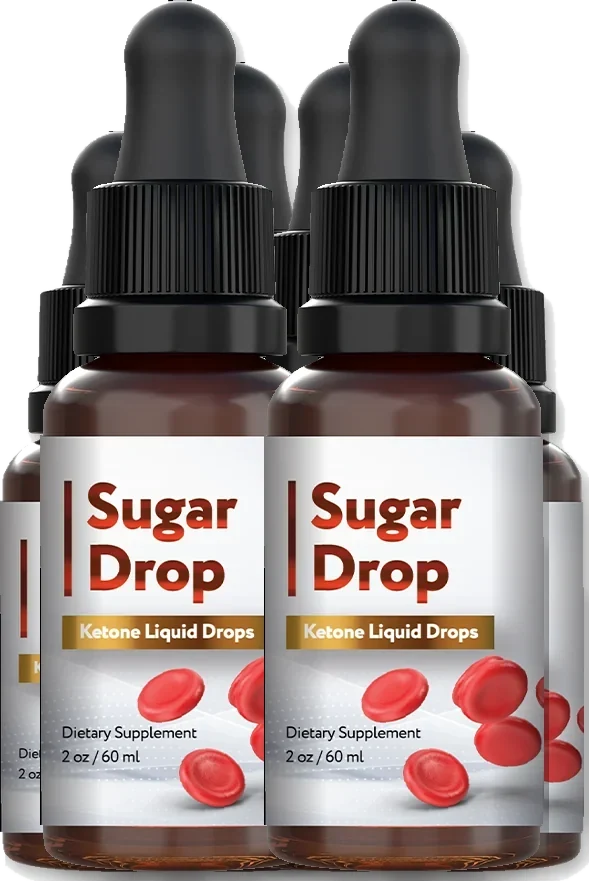
See the full Sugar Drop label before you decide
A synergistic daily blend — declared chromium plus a 200 mg botanical mix — with a 60-day manufacturer money-back window, so you can weigh a one-bottle routine against stacking separate capsules.
Check the Official Store