How to Lower Blood Sugar Naturally With Habits
Quick Answer: How Do You Lower Blood Sugar Naturally?
To lower blood sugar naturally, start with what you eat, whether you move after eating, how much you sleep, and whether you carry excess weight, in roughly that order. A supplement comes last, as an optional addition once those habits are in motion. A walk after dinner or a meal built around fiber and protein often shifts things more than any single ingredient, and your readings are always worth sharing with a clinician.
- Biggest lever: meal composition — fibre, protein and fat slow how fast glucose arrives.
- Fastest lever: 10–20 minutes of easy walking after a meal.
- Last lever: a daily supplement, as an addition to the above, never a replacement.

Start where the effect size is biggest: the plate
The phrase people type into a search box — how to lower blood sugar natural supplements — puts the bottle first. Physiology puts the plate first. Glucose in your blood comes overwhelmingly from carbohydrate you ate, so the composition of a meal is the largest single thing under your control. Refined carbohydrate — white bread, sugary drinks, most snack foods — arrives fast and produces a steep rise. The same amount of carbohydrate bundled with fibre, protein and fat arrives more slowly and produces a flatter curve. That is not a diet fad; it is digestion.
Three adjustments do most of the work. Swap refined grains for intact or minimally processed ones, so the fibre is still attached. Put a protein source in every meal, which slows gastric emptying and helps with satiety later in the day. And treat liquid sugar as a separate category from food — sweetened drinks deliver glucose faster than almost anything else because there is nothing to chew and nothing to slow it down.
Meal order is a small bonus lever on top. Eating vegetables and protein before the starchy component of the same meal tends to blunt the peak that follows. It changes the shape of the curve rather than the total energy, which is exactly the right expectation to have: useful, free, and not a substitute for overall diet quality.
Then use the fastest lever: move after you eat
Working muscle can take glucose out of circulation through a pathway that does not depend on extra insulin. That is why a short walk after a meal is the most reliable quick change available to most people: ten to twenty minutes at an easy pace, starting shortly after eating, tends to blunt the post-meal rise. It requires no equipment, no subscription and no supplement.
Over a longer horizon, regular activity does something different and arguably more valuable: it improves insulin sensitivity, so the same amount of insulin does more work. Both aerobic activity and resistance training contribute, and resistance training adds muscle mass, which increases the tissue available to store glucose in the first place. Public health guidance generally lands around 150 minutes of moderate activity a week plus a couple of strength sessions, and the gap between zero and something is far larger than the gap between something and optimal.
If sitting all day is the constraint, breaking up long sedentary blocks with a few minutes of movement every half hour is a lower-friction starting point than a formal exercise plan, and it targets exactly the hours when glucose tends to drift.
Once the habits are in place
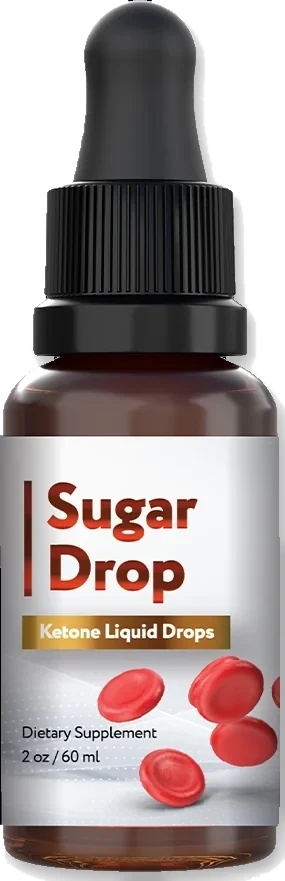
If you are still comparing options for the best natural supplement to lower blood sugar as an addition, start with the panel — Sugar Drop publishes its full ingredient list and amounts.
See the Official Sugar Drop OfferDo not skip sleep, stress and the boring variables
Short or fragmented sleep reduces insulin sensitivity, and it does so quickly — the effect shows up after only a few bad nights, not after years. Stress works through a related route: cortisol and adrenaline exist partly to raise available glucose, which is useful when you need to run and unhelpful when the threat is an inbox. Neither is as tidy to act on as a food swap, but both belong on the list because they can quietly cancel out the gains from everything else.
Alcohol deserves a specific mention, because its effect runs in both directions: sweetened mixers and beer add carbohydrate, while alcohol itself can suppress the liver's glucose output for hours afterwards, which matters a great deal for anyone on glucose-lowering medication. Smoking is associated with worse insulin sensitivity. And hydration matters at the margins, since dehydration concentrates everything in the bloodstream, glucose included.
Weight sits underneath all of this. For people carrying excess weight, modest, sustained loss is among the most reliable ways to improve insulin sensitivity, and it does not require reaching an ideal number — a relatively small percentage of body weight, kept off, is enough to shift the picture measurably for many people.
How to lower blood sugar natural supplements can genuinely support
Now the part this site exists to cover, in its correct position: last. A handful of supplement ingredients have real trial support for glucose markers — berberine most substantially, chromium in people who are deficient or living with type 2 diabetes, gymnema in small studies — and we go through that literature in detail in our piece on what the clinical trials show. The effects are modest, and they were measured in people who were also eating and moving.
Two mechanisms make a formula plausible as an addition. The first is nutritional: if you are genuinely short of a mineral involved in glucose metabolism, correcting the shortfall removes a handicap, which is the argument behind our look at zinc and glucose metabolism. The second is behavioural: gymnema's ability to temporarily dull sweet taste is a real, documented property, and anything that makes dessert less appealing is working on the same problem as the plate advice above, from a different angle.
What makes the difference between a reasonable addition and wasted money is the amount. A Sugar Drop-style liquid lists chromium as chromium picolinate at 0.7 mcg per serving alongside a 200 mg proprietary blend of more than twenty botanicals and amino acids. Compared against trials using 200 to 1000 mcg of chromium, or hundreds of milligrams of a single standardised botanical, that is a broad daily habit rather than a studied dose — which is fine, provided you buy it with that expectation rather than the one on the sales page.
What each lever is worth
| Lever | How strong is the evidence | How fast it acts | Effort |
|---|---|---|---|
| Meal composition (fibre, protein, fewer refined carbs) | Strong and consistent | Same meal onward | Moderate — needs planning |
| Walking after meals | Strong for the post-meal rise | Within the hour | Low |
| Regular activity and strength work | Strong for insulin sensitivity | Weeks to months | Moderate to high |
| Weight loss where relevant | Strong | Months | High |
| Sleep and stress management | Good mechanistic and observational support | Days to weeks | Varies |
| Supplements | Modest and inconsistent by ingredient | 8–12 weeks to judge | Very low |
The order matters more than the shopping list. A supplement added to unchanged habits is being asked to do the job of the four things above it — and no ingredient in this category is strong enough to carry that.
What this approach cannot do
Being honest about limits: none of this treats, cures, prevents or reverses diabetes or prediabetes, and no supplement is permitted to claim otherwise. Diet and activity are genuinely powerful, but "powerful for a healthy adult" and "sufficient for someone with a diagnosed condition" are different statements. If you take glucose-lowering medication, changing your diet or activity level meaningfully can change your medication needs, which is a conversation to have with your prescriber in advance, not a discovery to make afterwards.
Natural also does not mean risk-free. Botanicals interact with drugs; ginseng and berberine both have documented interaction potential, and blends containing green tea and guarana carry caffeine, which is a problem for some people and a non-issue for others. High-dose minerals have upper limits for a reason. And a symptom that needs investigating — unexplained thirst, weight loss, fatigue, blurred vision — needs a clinician, not a shopping list.
Finally, the effects described here are averages. Glucose responses to identical meals vary substantially between individuals, which is why one person's flawless routine is another person's disappointment. Your own readings, taken consistently, are worth more than any general rule on this page.
Building a realistic twelve-week plan
If you arrived asking how to lower blood sugar natural supplements can realistically support, the sequence below is the answer: the formula goes in around week nine, not week one. Pick one change per fortnight rather than six on Monday. Weeks one and two: add a protein and a fibre source to every meal and cut sweetened drinks. Weeks three and four: add a ten-minute walk after your largest meal. Weeks five and six: set a consistent sleep window. Weeks seven and eight: add two short strength sessions. Only then, if you want to, add a supplement — and add exactly one, so you can attribute whatever happens next.
Keep the measurement simple and consistent. If you already monitor, note fasting readings and how you feel a couple of hours after meals; if you do not, an HbA1c ordered by your clinician before and after the twelve weeks is the cleanest before-and-after available. Write down what you changed and when, because memory reconstructs these things generously.
On the shopping question, two practical notes. If you are hunting for the best blood sugar support supplement, prefer products that disclose amounts over those that hide them in a blend, and prefer a refund window long enough to cover a real trial. And if you are wondering about the best time to take a blood sugar support supplement, consistency beats clock-watching for anything acting through nutrition — take it when you will remember, take it with food if it upsets your stomach, and give it the full eight to twelve weeks before deciding.
Medical note: this article is general information, not medical advice. Speak to a healthcare professional before changing your diet, activity or supplement routine, especially if you have diabetes or prediabetes, take glucose-lowering or blood-pressure medication, or are pregnant or nursing.
Frequently asked questions
What lowers blood sugar the fastest naturally?
For a post-meal rise in a healthy adult, movement is the fastest lever: ten to twenty minutes of easy walking after eating lets working muscle take up glucose without needing extra insulin. Drinking water and avoiding a second helping of refined carbohydrate help too. None of this is emergency care, and anyone with diabetes should follow the plan their clinician gave them instead of improvising.
Does eating food in a certain order help?
It can blunt the size of the post-meal rise. Eating vegetables, protein and fat before the starchy or sweet part of a meal slows gastric emptying and slows how quickly glucose arrives in the bloodstream. It changes the shape of the curve rather than the total calories, so it is a useful habit alongside overall diet quality rather than a replacement for it.
Where do supplements fit into lowering blood sugar naturally?
Last, as an optional addition once diet, movement, sleep and weight are being addressed. A handful of ingredients have modest trial support for glucose markers, but the effect sizes are far smaller than those of the core habits, and multi-ingredient blends usually contain amounts well below what the studies used.
How long before natural changes show up in a blood test?
Fasting glucose can shift within days to weeks of consistent changes, but HbA1c reflects roughly the previous two to three months, so give it at least eight to twelve weeks before judging. Keeping other variables steady during that window makes the result far easier to interpret.
Can a supplement help with lowering blood sugar naturally?
Yes, as an optional extra once food, movement and sleep are in place. Supplements play a supporting role, since habits like a walk after dinner usually shift readings more.
Scientific references
- NIH NIDDK — Diabetes Diet, Eating and Physical Activity
- Harvard T.H. Chan School of Public Health — The Nutrition Source: Fiber
- PubMed — indexed research on post-meal walking and postprandial glucose
- Mayo Clinic — Diabetes prevention: 5 tips for taking control
- NIH Office of Dietary Supplements — Magnesium: Fact Sheet for Health Professionals
Adding one thing, once the basics are running
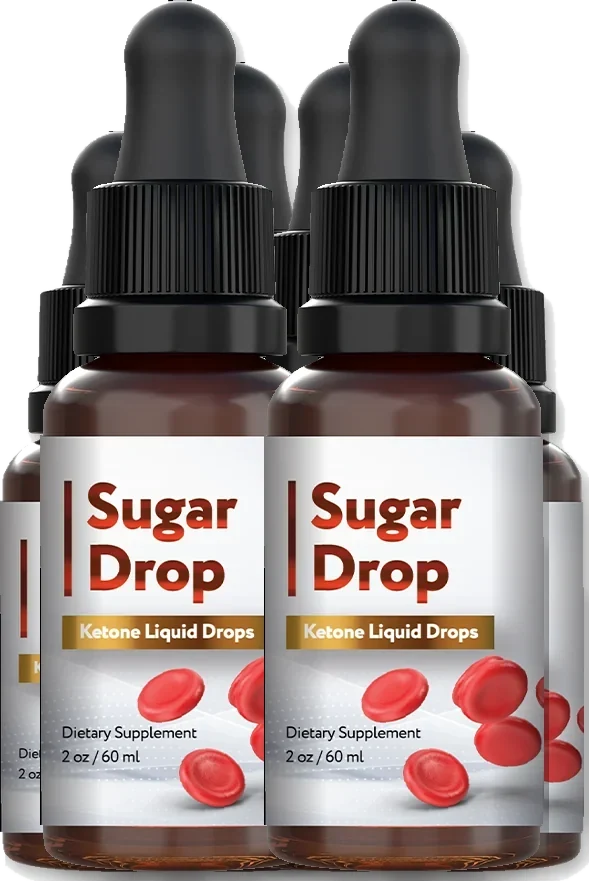
Chromium plus a 200 mg botanical blend in a daily liquid — with a 60-day window from the manufacturer if it turns out not to suit you.
Check the Official Store